
Perpetual Archives: Sam Kirk, TaskForce Prevention and Community Services & PrEP4Teens, and Gerber/Hart Library and Archives | November 16 – february 26
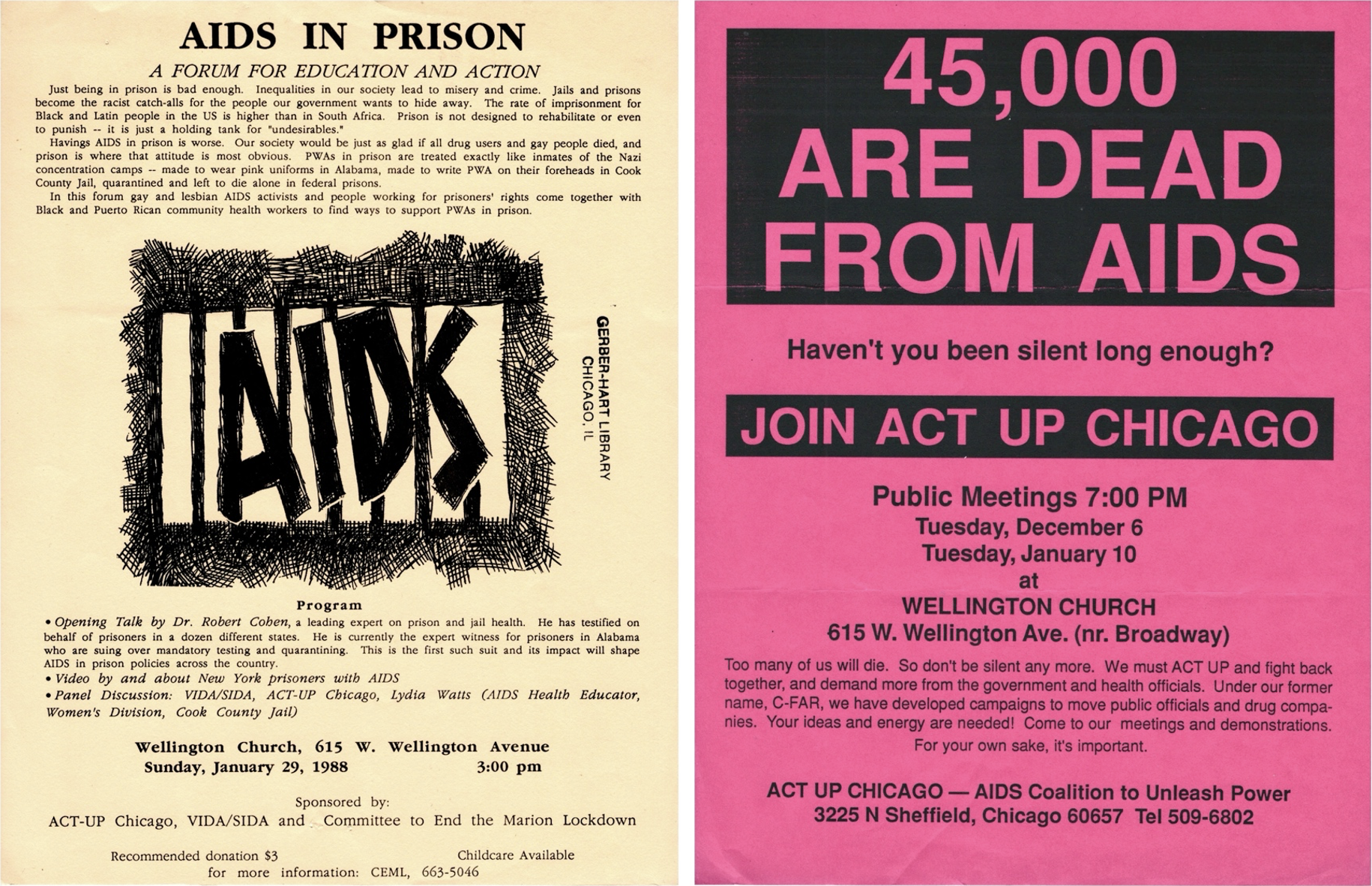
ACT UP Chicago, promotional materials for various public actions and gatherings, late 1980s–early 1990s. Courtesy of Gerber/Hart Library and Archives.
Exhibition Dates: November 16, 2026 – February 26, 2027
Riverside Town Hall: 27 Riverside Road, Riverside, Illinois 60546
Viewing Hours: Monday – Thursday 9:00 am – 4:00 pm, Friday 9:00 am – 3:00 pm
Opening Reception: Sunday, January 17, 2027, 3:00 – 6:00 pm; Join us after for a private cocktail hour at the Quincy Street Distillery
The Riverside Arts Center (RAC) is pleased to present an interdisciplinary exhibition examining the ongoing HIV/AIDS crisis in the Midwest through art, community-based prevention, and archival ephemera, curated by Ivan Bujan. The exhibition brings together artwork by Sam Kirk, community-based work by TaskForce Prevention and Community Services and PrEP4Teens, and archival ephemera from Gerber/Hart Library & Archives.
The exhibition will be on view at 27 Riverside Road from November 16, 2026, through February 26, 2027. This exhibition is held in conjunction with exhibition Perpetual Desires, opening at the Freeark Gallery on January 17, which explores the ongoing implications of HIV/AIDS and its effects on desire and intimacy.
Please join us on Sunday, January 17, from 3 to 6 pm for a joint reception for both exhibitions. Light refreshments will be served at the Riverside Arts Center, a short block around the corner from Town Hall. Participants in TaskForce’s voguing program will perform, highlighting voguing and ballroom culture as important forms of community-making, expression, and resilience in the face of HIV/AIDS. Following the reception, join us for a private cocktail hour across the street at Quincy Street Distillery.
RAC has partnered with Visual AIDS, a visual arts organization dedicated to using art to address HIV/AIDS, to present its annual Day With(out) Art documentary program on December 1, marking World AIDS Day. This year’s program, titled seeds in a dying colony, will be screened at the auditorium of Riverside Town Hall (27 Riverside Road) on December 1 at 6 pm. followed by a panel discussion featuring artists Saumitra Chandratreya, David Lozano, Darryl DeAngelo Terrell, and Sam Kirk; HIV/AIDS scholar and historian Jennifer Brier; and Chris Balthazar, Executive Director of TaskForce Prevention and Community Services. The panelists will respond to the films and consider how HIV/AIDS continues to shape art, politics, culture, and everyday life. The event is free and open to the public. More
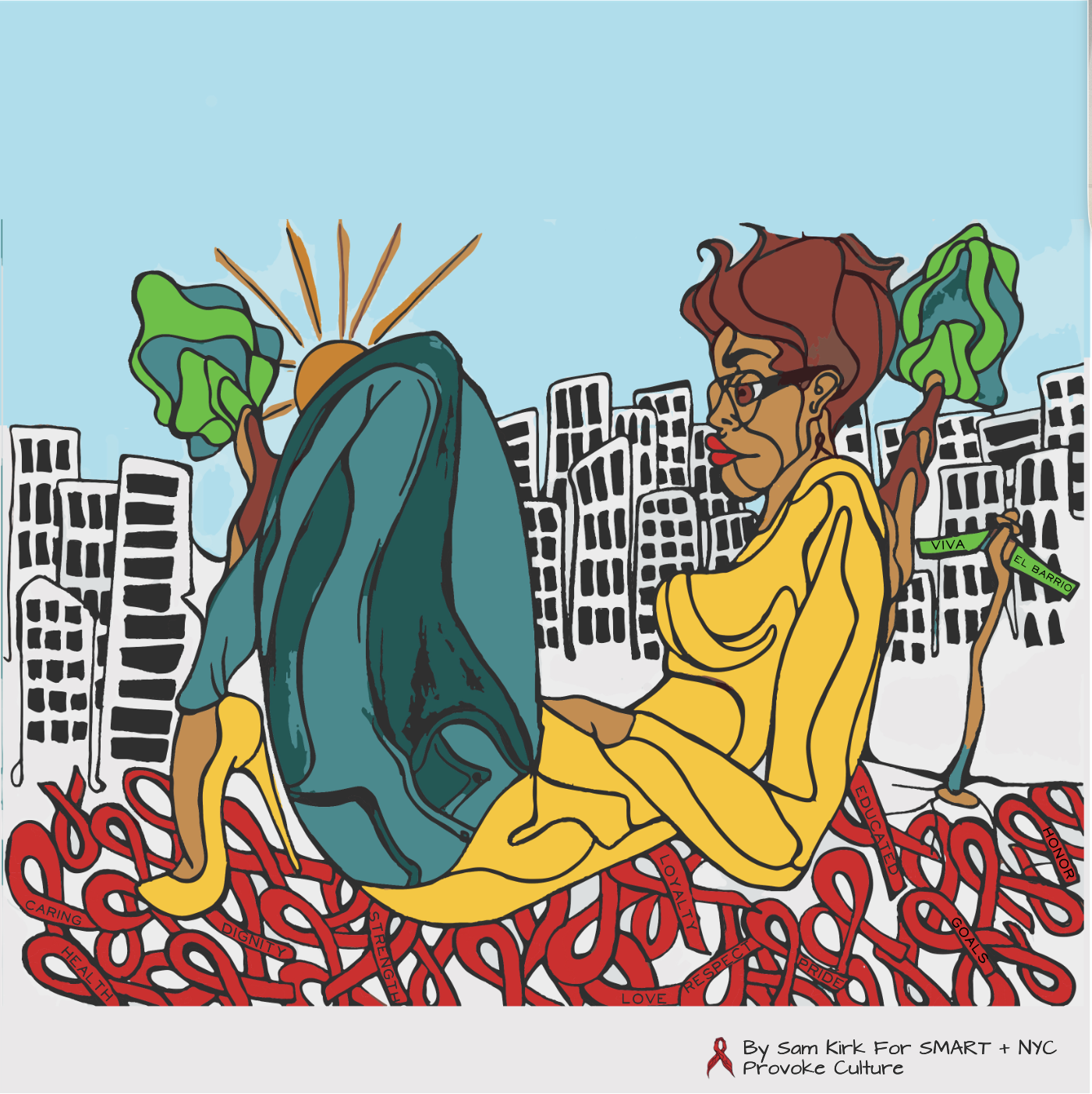
Sam Kirk, Laying Our Foundation, 2013, Digital illustration, 12 × 12 inches
HIV/AIDS occupied an extraordinary place in public consciousness during the 1980s and early 1990s. Its images, protests, and political controversies became impossible to ignore. And yet, over the decades that followed, HIV/AIDS gradually receded from mainstream public visibility, especially when medical progress turn the once “death sentence” into a chronic, manageable condition. The epidemic, however, did not disappear. Rather, its visibility changed. Today, HIV/AIDS persists as a crisis that is increasingly experienced as silent—not because it is less consequential, but because it disproportionately affects communities whose lives and vulnerabilities remain structurally underrepresented. Unequal access to healthcare, housing, economic stability, prevention, and other resources necessary for healthy lives means that HIV/AIDS cannot be separated from the larger structures that determine whose lives are protected and whose remain exposed to premature death.
Drawing on the histories and present of AIDS, Perpetual Archives asks what happens when the object of the archive refuses to remain past, and whose past it is. What does it mean to preserve a history that is still being produced? What does an archive become when the crisis it documents continues to unfold? What does it mean to archive a disease whose histories are still unraveling before our eyes?
Perpetual Archives understands the archive as an active and unfinished – perpetual – practice. It approaches HIV/AIDS not as a concluded historical event, but as an unfinished history whose effects continue to structure the present. The exhibition moves between the historical and the contemporary, bringing archival ephemera, artistic practices, and community-based forms of knowledge into conversation.
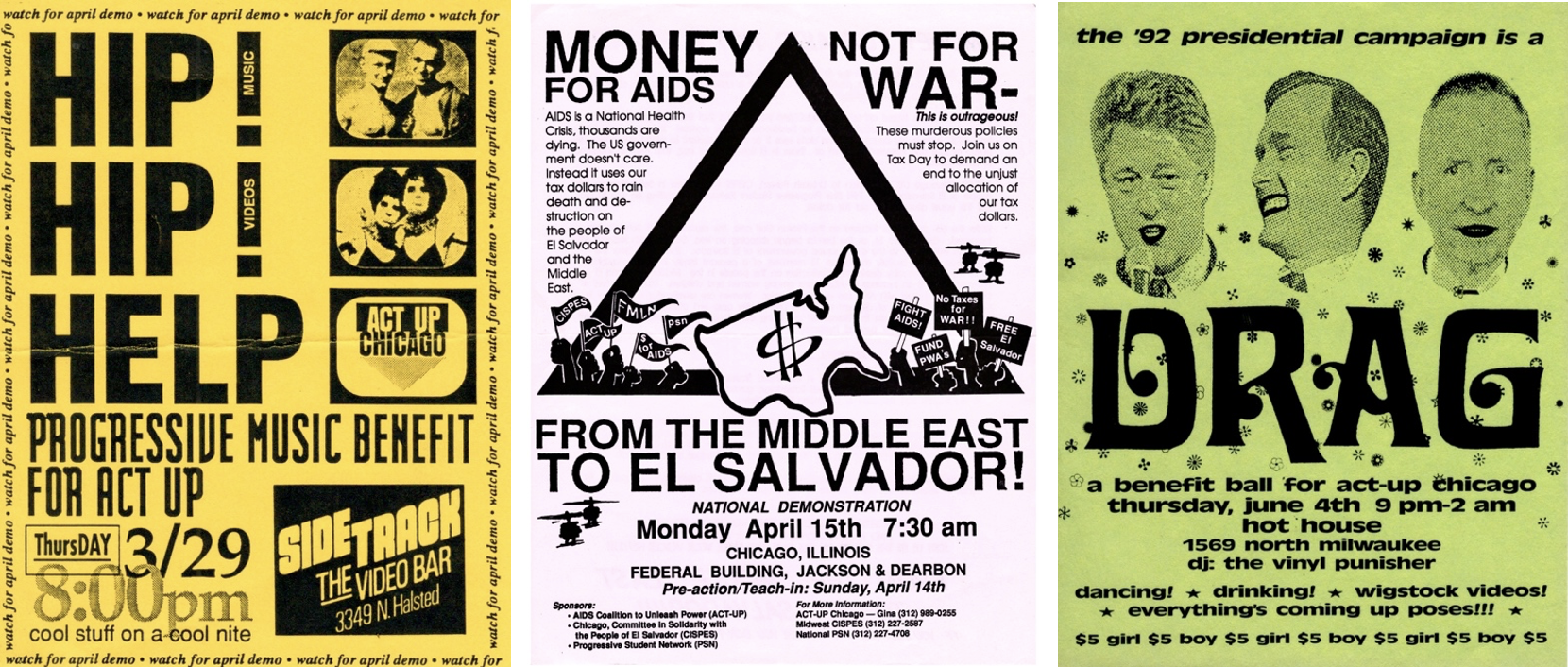
ACT UP Chicago, promotional materials for various public actions and gatherings, late 1980s–early 1990s. Courtesy of Gerber/Hart Library and Archives.
Archival ephemera on display from Gerber/Hart Library & Archives, Chicago’s LGBTQ+ library and archives allows us to situate the history of HIV/AIDS activism from the late 1980s and 1990s within the broader Chicagoland region. Such an archive complicates the familiar geography of AIDS history, such as New York, San Francisco, and Los Angeles. These cities, often understood as “queer meccas,” were important sites of creative resistance to governmental negligence. In New York, for example, the activist collective ACT UP (AIDS Coalition to Unleash Power), founded in 1987, organized highly visible protests demanding government action and challenging the medical, political, and social responses to the epidemic. Chicago, too, was a site of sustained organizing, protest, care, and political struggle.
The ephemera preserved by Gerber/Hart makes visible the depth and diversity of this local history, from ACT UP Chicago, the local chapter of ACT UP that challenged both institutional responses to AIDS and homophobic discrimination, to the AIDS Foundation of Chicago, a nonprofit organization founded in 1985 that advocates for HIV/AIDS prevention and serves as a resource for the HIV/AIDS community. By bringing these materials into the exhibition, we can look beyond the better-known coastal narratives and attend to the forms of activism, solidarity, and care that shaped the epidemic in the Midwest.
This history remains urgently connected to the present. HIV/AIDS continues to affect communities across Chicagoland, particularly Black and Brown young people. Organizations such as TaskForce Prevention and Community Services (TaskForce) have long provided care, resources, and support to communities disproportionately affected by HIV. Founded in 1990, TaskForce is a cornerstone of the Austin community on Chicago’s West Side. Committed to a holistic approach to preventive healthcare, the organization provides vital resources, support, and advocacy. One of TaskForce’s highlights is its Vogue School, a free, community-centered ballroom education program that celebrates the legacy, artistry, and cultural significance of Chicago’s ballroom scene. Ballroom is a Black and Brown LGBTQ+ cultural tradition that has provided spaces for self-expression, chosen family, community support, and resilience, making it an important form of care and community-building in the context of the HIV/AIDS epidemic. The program provides an inclusive space to learn the foundations of vogue, develop confidence, and strengthen performance skills.
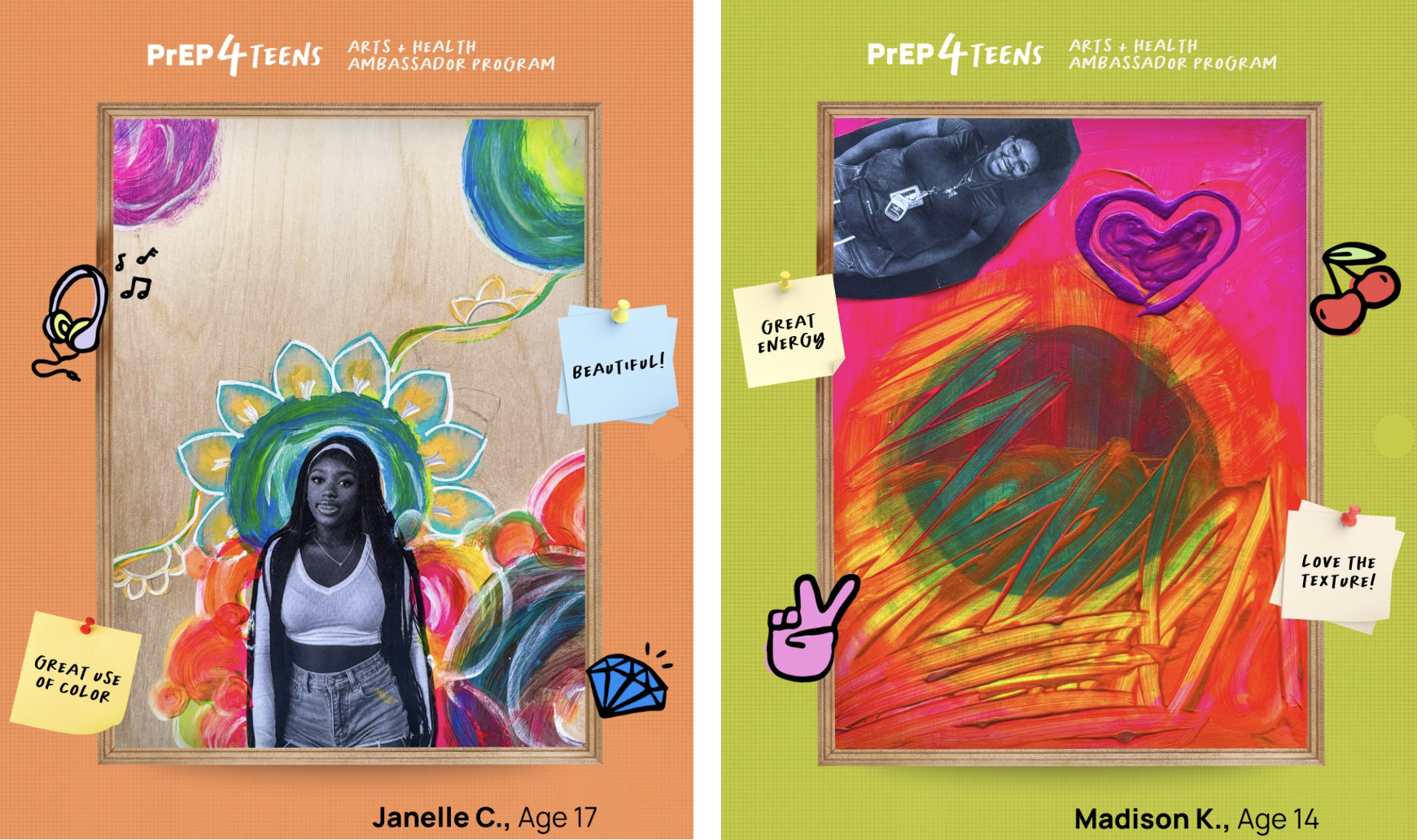
Artwork by participants in the PrEP4Teens Arts & Health Ambassador Program, 2026, Mixed media, dimensions variable
Since 2024, TaskForce has also stewarded PrEP4Teens, a youth-centered, arts-inspired community mobilization project that amplifies the creativity and lived experiences of Chicago teens while providing relevant information about sexual health and wellness. The project also works to increase awareness, education, and access to pre-exposure prophylaxis (PrEP)—medications that can reduce the risk of acquiring HIV by up to 99%—among teenagers and young sexual and gender minorities. PrEP4Teens has organized arts workshops for its participants, creating spaces for young people to explore their experiences, express themselves creatively, learn about HIV prevention, and build community. Here, prevention is understood not simply as a biomedical intervention, but also as a social and cultural practice: a way of creating spaces for connection, expression, and mutual support.
Finally, AIDS has been a major source of inspiration for artists who have grappled with its complexities since the 1980s. Some of the most significant achievements in contemporary art history have emerged from practices that have centered HIV/AIDS, from the work of Felix Gonzalez-Torres, David Wojnarowicz, Karen Finley, and Marlon Riggs in the 1980s and 1990s, to the work of contemporary artists and collectives such as What Would an HIV Doula Do?, Jessica Whitbread, Christopher Paul Jordan, and charles ryan long, among many others.
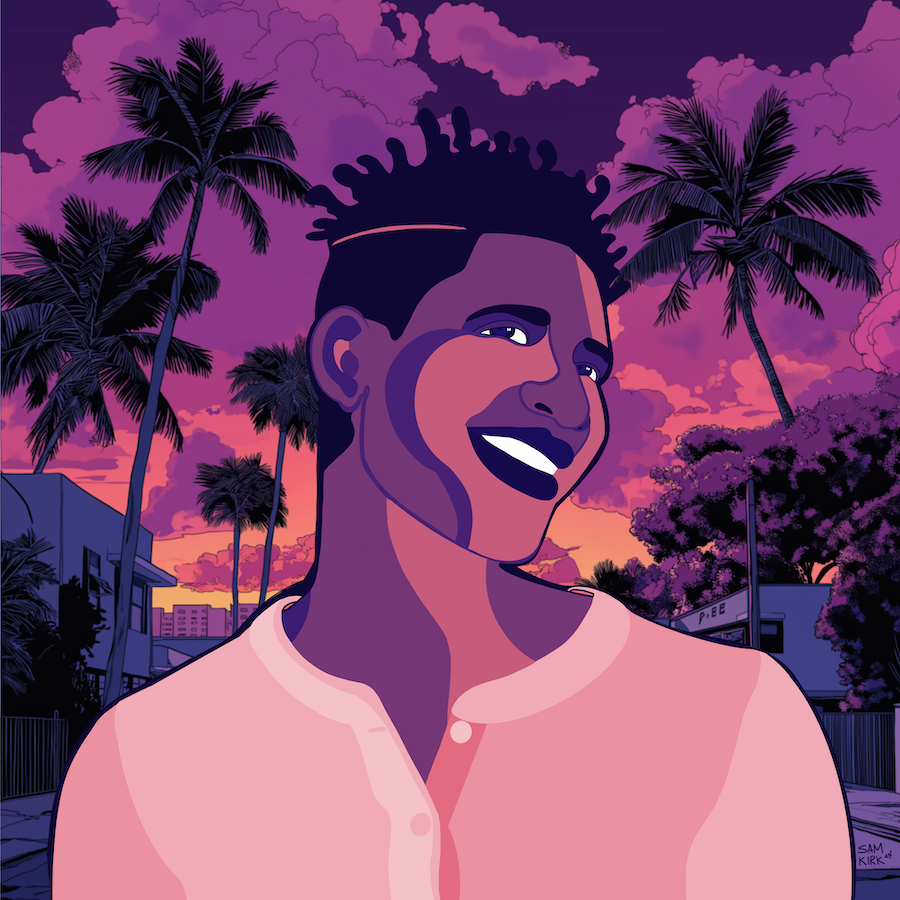
Sam Kirk, Wandering Emotions, 2024, 4-phase digital illustration on lenticular panel, 24 × 24 inches
The exhibition features the work of Sam Kirk, a Chicago-based multidisciplinary artist and muralist whose practice explores intersections of identity, difference, and social change. Her paintings feature vivid and powerful representations of women, LGBTQIA+ communities, and others whose experiences have historically been underrepresented.
Kirk’s engagement with HIV/AIDS operates both explicitly and indirectly. Her collaboration with Visual AIDS directly addresses the experiences of Black and Brown women affected by HIV/AIDS. Although data from the Centers for Disease Control and Prevention (CDC) show that Black and Brown women are disproportionately affected by HIV/AIDS compared with their white counterparts and other demographic groups, they are often overlooked in efforts to promote HIV/AIDS information, prevention, and care. In addition, their contributions and presence have often been overlooked in histories of HIV/AIDS.
At the same time, her broader engagement with social inequity and communal reconstruction offers another way of thinking about HIV/AIDS without necessarily representing the virus or disease itself. Instead, HIV/AIDS may remain partially—or entirely—outside the literal frame. This absence matters. HIV/AIDS is not always explicit; it can be present without being named, embedded within the conditions that shape people’s lives: environmental racism, inadequate healthcare, economic precarity, and the uneven distribution of vulnerability. The virus may disappear from view while the structures that produce vulnerability remain fully visible. To look for AIDS, therefore, is not always to look for an image of AIDS. Sometimes it is to look at the conditions under which particular communities are asked to live, survive, care, and mourn.
But Perpetual Archives is not an exhibition organized exclusively around violence. To archive AIDS is also to archive pleasure, resistance, friendship, and joy–as seen in the world-making work by TaskForce and dynamic and community-oriented illustrations by Kirk. It is to recognize that communities affected by HIV/AIDS did not simply survive an epidemic; they produced forms of collective life within it. The history of AIDS is therefore also a history of making: making communities, making images, making political demands, making spaces of care, and making futures in the midst of conditions that sought to foreclose them.
Moreover, art and archival ephemera in this exhibition gesture toward the fact that HIV/AIDS has never had a single story, image, or politics. Its meanings have shifted across decades of activism, artistic production, medical intervention, community organizing, loss, desire, and survival. Epidemiological accounts of AIDS, for example, can identify patterns across populations, but they cannot fully account for the individual stories, experiences, and hardships that emerge through activism and artistic production. Public health approaches to HIV prevention necessarily address populations and communities at scale, but they do not always capture the particular circumstances, obstacles, and forms of resilience that shape individual lives. No single archive of AIDS, therefore, can fully contain these shifting histories and relations. This exhibition instead offers fragments of a much larger and continually unfolding story.
Taken together, included art and archival ephemera suggest that AIDS must be understood not simply as a medical or historical event, but as a social and cultural condition whose meanings continue to change. Perpetual Archives ultimately refuses the temporal distance implied by the phrase “the AIDS crisis.” There was no singular crisis that simply began and ended. Rather, there are multiple, overlapping histories of AIDS—histories of illness and loss, activism and care, stigma and resistance, desire and survival—that continue to reverberate through the present.
In this sense, given that AIDS is a continually unfolding narrative, Archiving AIDS serves as a conceptual and temporal bridge to the exhibition opening at the Freeark Gallery in January, Perpetual Desires, which turns toward desire in relation to HIV/AIDS. If Perpetual Archives asks how communities have remembered, confronted, and lived through the epidemic, Perpetual Desires asks what HIV/AIDS has done to desire itself: how it has transformed intimacy, pleasure, fear, fantasy, attachment, and the imagination of queer futures. Together, the exhibitions propose that HIV/AIDS cannot be understood solely through the languages of disease, death, and prevention. Its history is also a history of desire and world-making—a history that remains unfinished because the lives, communities, and struggles it contains remain unfinished.
–Ivan Bujan, curator
Associated Programming
As part of Perpetual Archives, Riverside Arts Center’s exhibition programming has proudly partnered with Visual AIDS to present its annual Day With(out) Art documentary program. Day With(out) Art is an initiative that brings contemporary visual art and film into conversation with the ongoing HIV/AIDS epidemic, using artists’ perspectives to raise awareness, preserve histories, and foreground the experiences of people living with HIV/AIDS. The documentaries foreground the ongoing experiences of people living with HIV/AIDS and the continued relevance of art, activism, and community in confronting the epidemic.
Riverside Arts Center will screen seeds in a dying colony, a program of four newly commissioned videos by artists from across the world: Edgar Hudson (Tanzania), Bruna Kury and Matheus Mello (Brazil/Spain), Sido Lansari (Morocco/France), and Micaela Cyrino (Brazil). The program responds to a moment marked by deepening neocolonialism and mass desensitization to violent, preventable death, including recent spikes in HIV cases and deaths. Driven by cuts to international aid programs like USAID and PEPFAR, this resurgence reveals how access to care remains shaped by broader systems of U.S. and Western power that determine whose lives are protected and whose deaths are allowed to pass in silence.
The screening will take place at the auditorium of the Riverside Town Hall (27 Riverside Road) on December 1 at 6pm, followed by a panel discussion featuring artists Saumitra Chandratreya, David Lozano, Darryl DeAngelo Terrell, and Sam Kirk; HIV/AIDS scholar and historian Jennifer Brier; and Chris Balthazar of TaskForce Prevention and Community Services. The panelists will respond to the films and consider how HIV/AIDS continues to shape art, politics, culture, and everyday life. More
The event is free and open to the public.
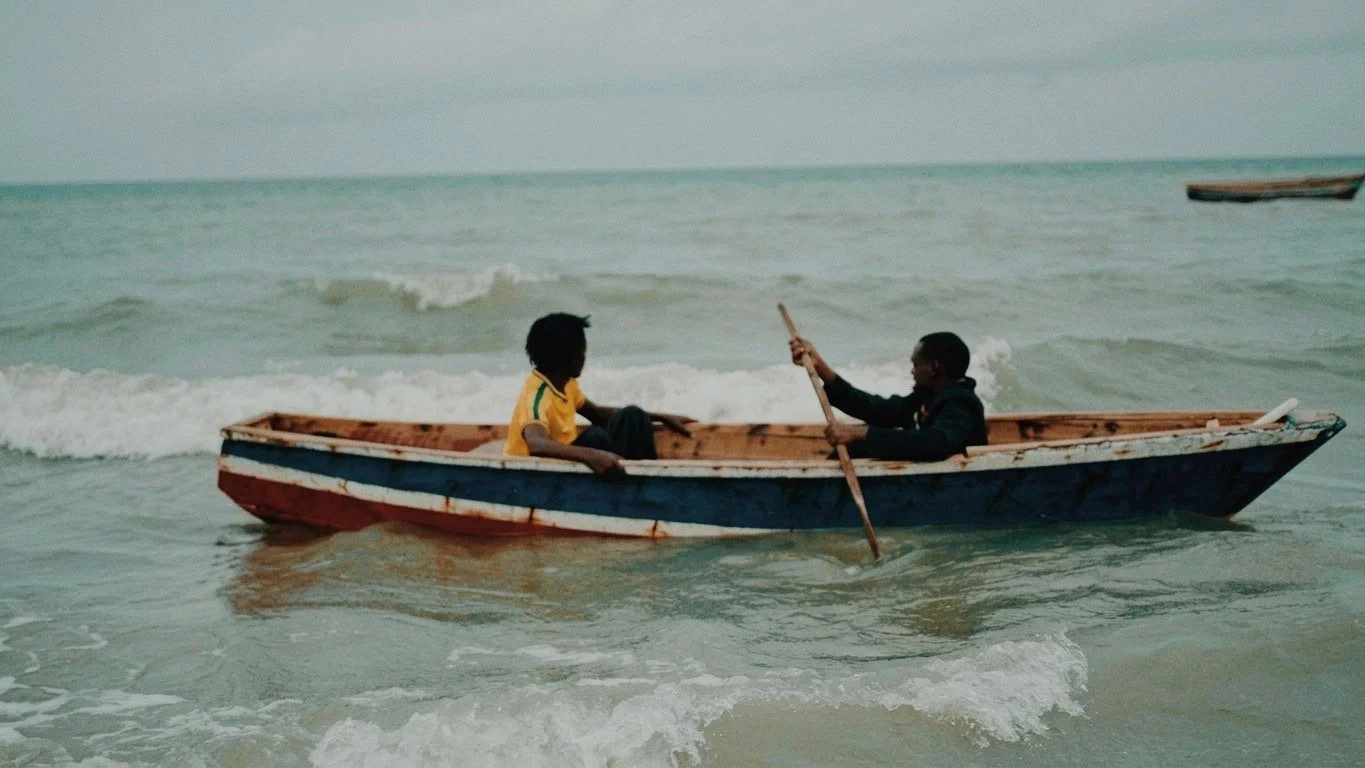
Edgar Hudson, There is an Elephant in the Room, 2026. Commissioned by Visual AIDS for seeds in a dying colony.
Sam Kirk is a Chicago-based multidisciplinary artist who explores how identity is formed and revealed over time. Drawing from lived experience, memory, and community dialogue, her work examines moments of personal and collective transition, centering underrepresented stories and celebrating the beauty, resilience, and complexity of everyday life. Born and raised on Chicago’s South Side, Kirk works across public art, studio practice, illustration, and design. Her vibrant, narrative-driven visual language is characterized by expressive linework, saturated color, and layered symbolism. Her murals, installations, and mixed-media works explore identity, place, and belonging while inviting viewers to consider how personal and collective histories shape shared cultural memory. Kirk’s practice is deeply rooted in community collaboration, reciprocity, and collective imagination. Alongside her studio and teaching practice at the UIC School of Art and Art History, she works with municipalities, foundations, and civic institutions as a public art consultant and participatory grantmaker. Her work has been recognized with numerous industry and community-based awards and is held in permanent collections including the Obama Presidential Center, the National Museum of Mexican Art, Gerber/Hart Library and Archives, Disney, and private and corporate collections nationwide.
@iamsamkirk
www.iamsamkirk.com
TaskForce Prevention & Community Services is a multi-service, grassroots community-based organization on Chicago’s West Side dedicated to improving the health and well-being of LGBTQ+ communities, with a particular focus on LGBTQ+ youth of color. Founded in 1990, TaskForce provides HIV/STI prevention and education, health and wellness services, and connections to medical, housing, and other social services. PrEP4Teens, TaskForce's prevention-focused social marketing campaign, is a youth-centered, arts-inspired community mobilization project that amplifies the creativity and lived experiences of Chicago teens while providing accessible information about PrEP, HIV prevention, and sexual health. Originally developed through Northwestern University, PrEP4Teens is now stewarded by TaskForce, where it combines health education with art, community engagement, and youth advocacy.
@taskforcechicago_official
www.taskforcechicago.org
Founded in 1981, Gerber/Hart Library and Archives collects, preserves, and makes accessible the history and culture of LGBTQ+ communities in Chicago and the Midwest, advancing the broader goals of justice and equality. The library provides free public access to books and audiovisual materials documenting the diverse histories and cultures of LGBTQ+ communities, with an emphasis on Chicago and the Midwest. Public programs—including exhibitions, lectures, panel discussions, and film screenings—explore and celebrate LGBTQ+ history and culture. Open to everyone, Gerber/Hart promotes research, learning, exploration, and discovery in a safe and welcoming environment. Gerber/Hart believes that knowledge of LGBTQ+ history, in all its diversity and complexity, fosters understanding and constructive change. It envisions a world grounded in justice, equality, respect, and inclusion for LGBTQ+ people and all members of society. Ivan Bujan consulted Erin Bell, Operations Director at Gerber/Hart, for insight into the ephemera and special collections materials displayed in the exhibition.
@gerberhart
www.gerberhart.org/
Ivan Bujan is a Gallery Director at Riverside Arts Center. With a background in gender and sexuality studies and performance studies, his curatorial practice positions contemporary art and archival work as critical tools for addressing social justice and imagining more livable and sustainable futures for communities disproportionately affected by systems of power. Bujan’s projects—including exhibitions, public programs, workshops, and research initiatives—bring together artists, activists, and scholars to create collaborative platforms for exploring care, community, and collective responsibility. He has curated exhibitions at the Kemper Museum of Contemporary Art at Washington University in St. Louis, and his writing has appeared in Sexualities, ASAP/J, and Theatre Journal. He also teaches at DePaul University and the School of the Art Institute of Chicago. Bujan holds a PhD from Northwestern University and master’s degrees from New York University and Central European University.
@booanboi
ibujan@riversideartscenter.com
Thank you to our Publication Patron Members for making the exhibition booklet for The Conversation possible. Design courtesy Streeting Design.
Pick up a free copy while viewing the exhibition or download one here. Click here to support us by becoming a Publication Patron Member and add your name to the list of supporters credited in each exhibition booklet.
Michael & Beverly Aieta
Holly Allen & Brian Ross
The Burcheri Family
David Duncil
Richard Faron
Robert Fields
Anne Harris & Paul D’Amato
John & Kate Geletka
Shannon & Dean George
Wes Johnson & Heidi Yernberg
Troy & Shari Klyber
Marne Trevisano Campbell

