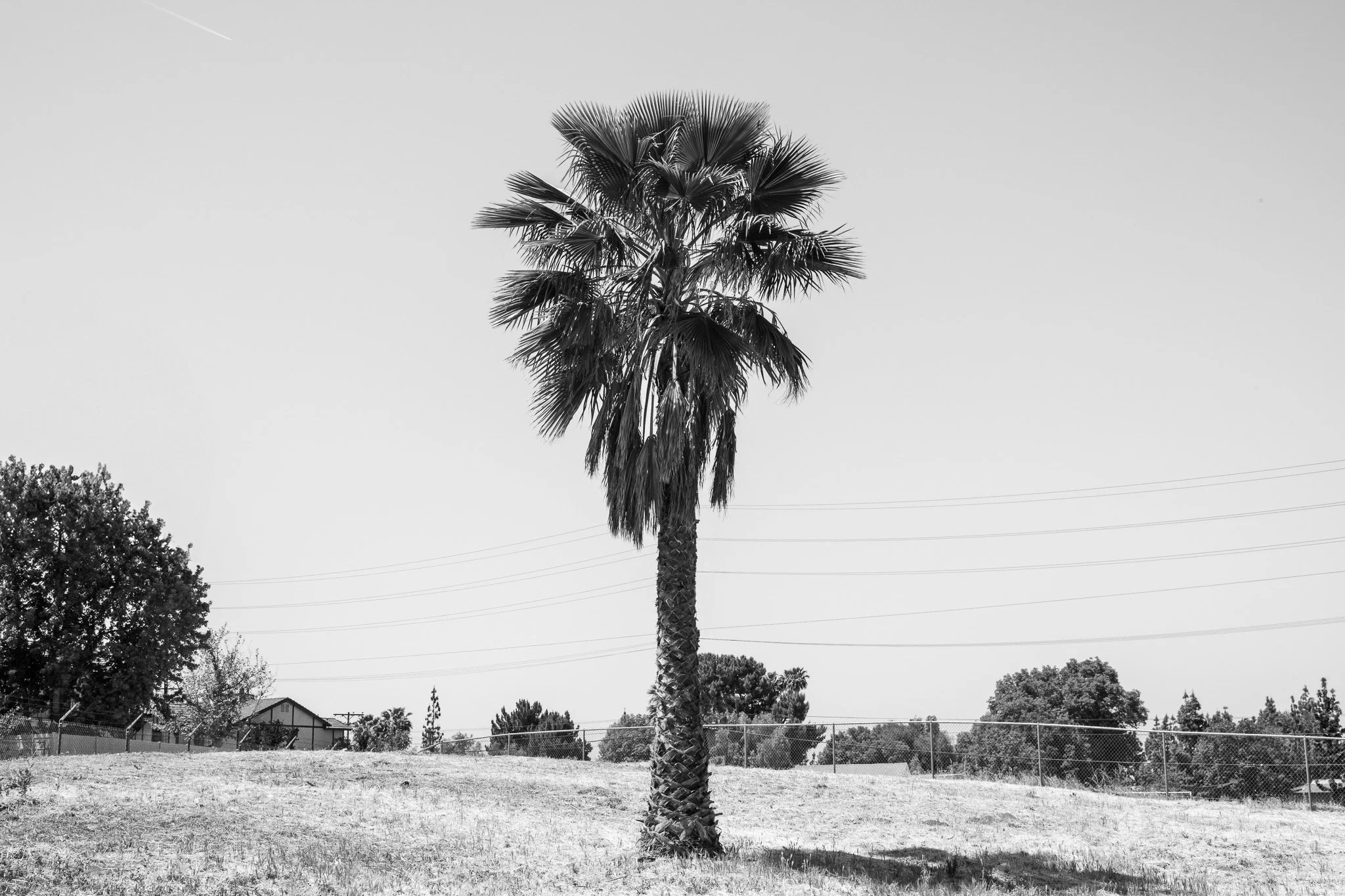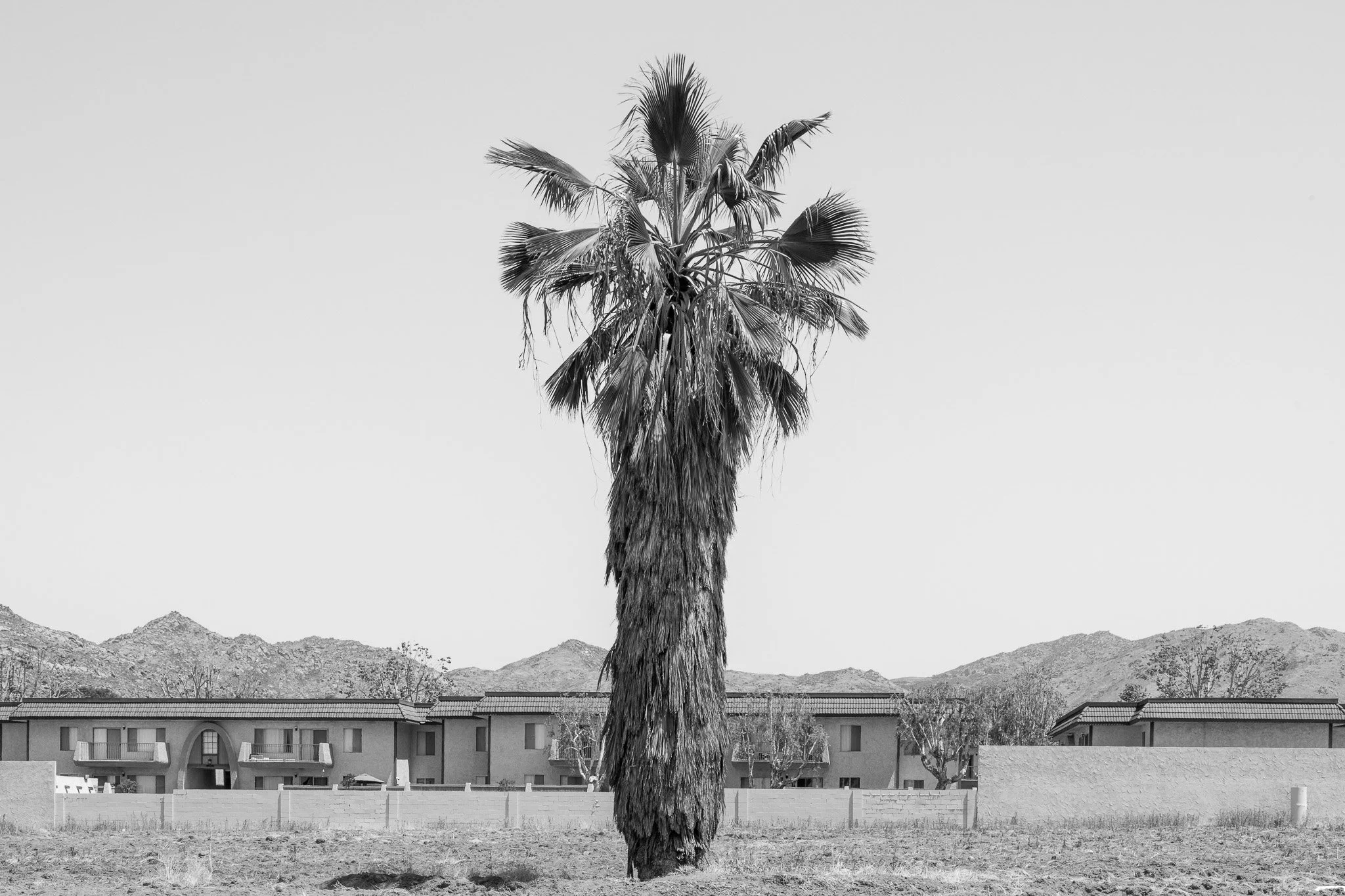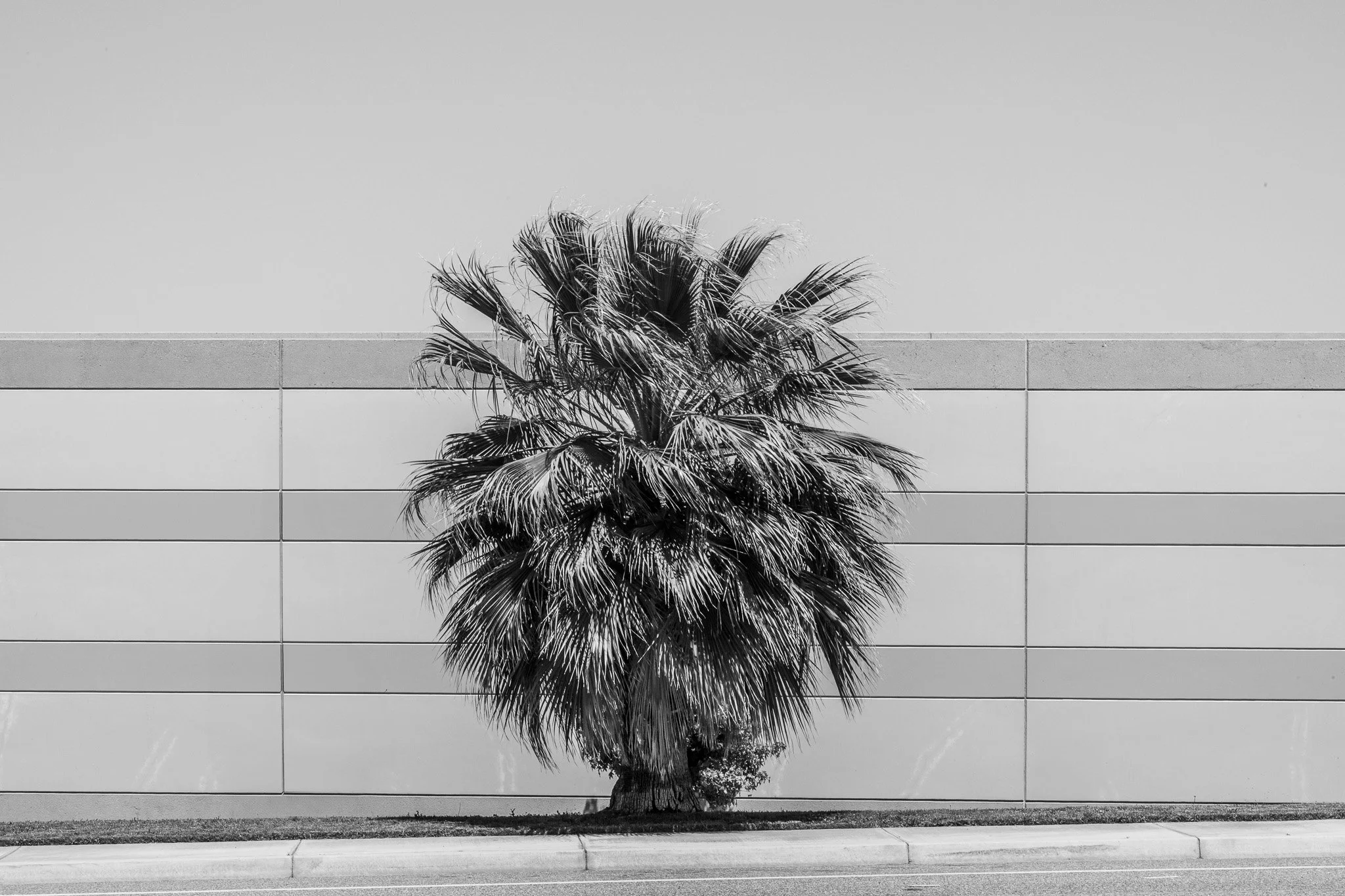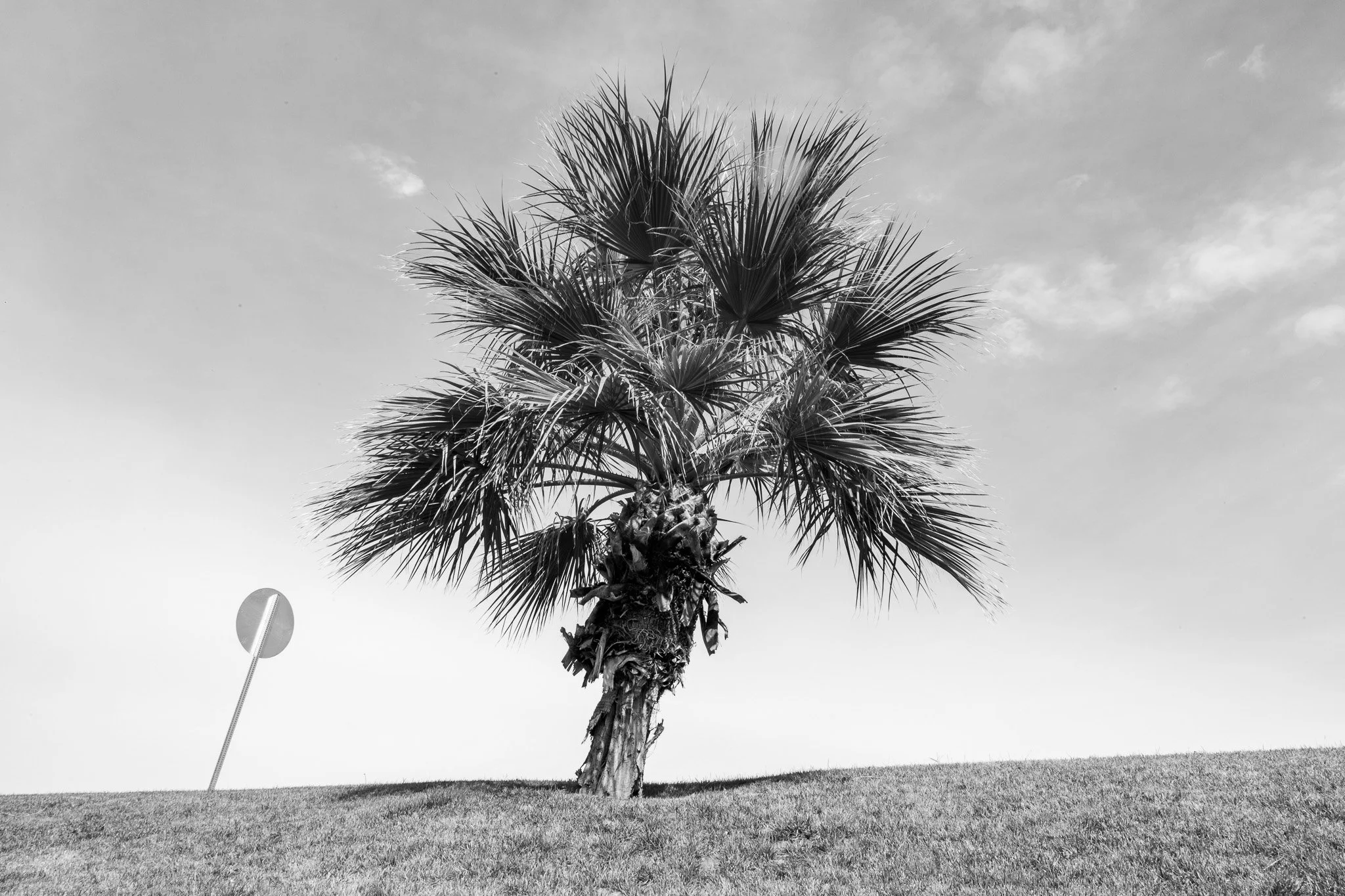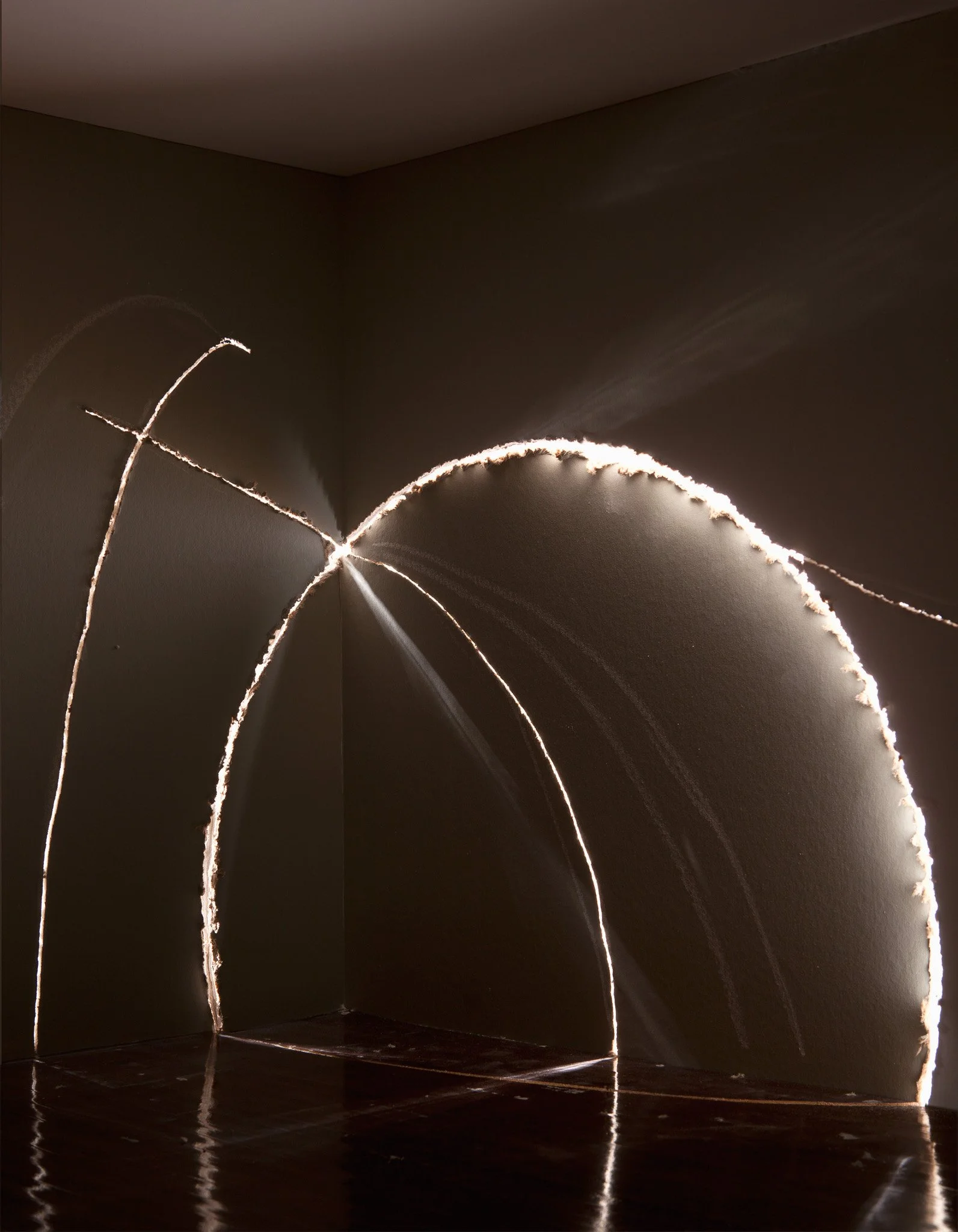
Ross Sawyers | The Future Still Isn’t What It Used to Be | February 1 - March 7, 2026
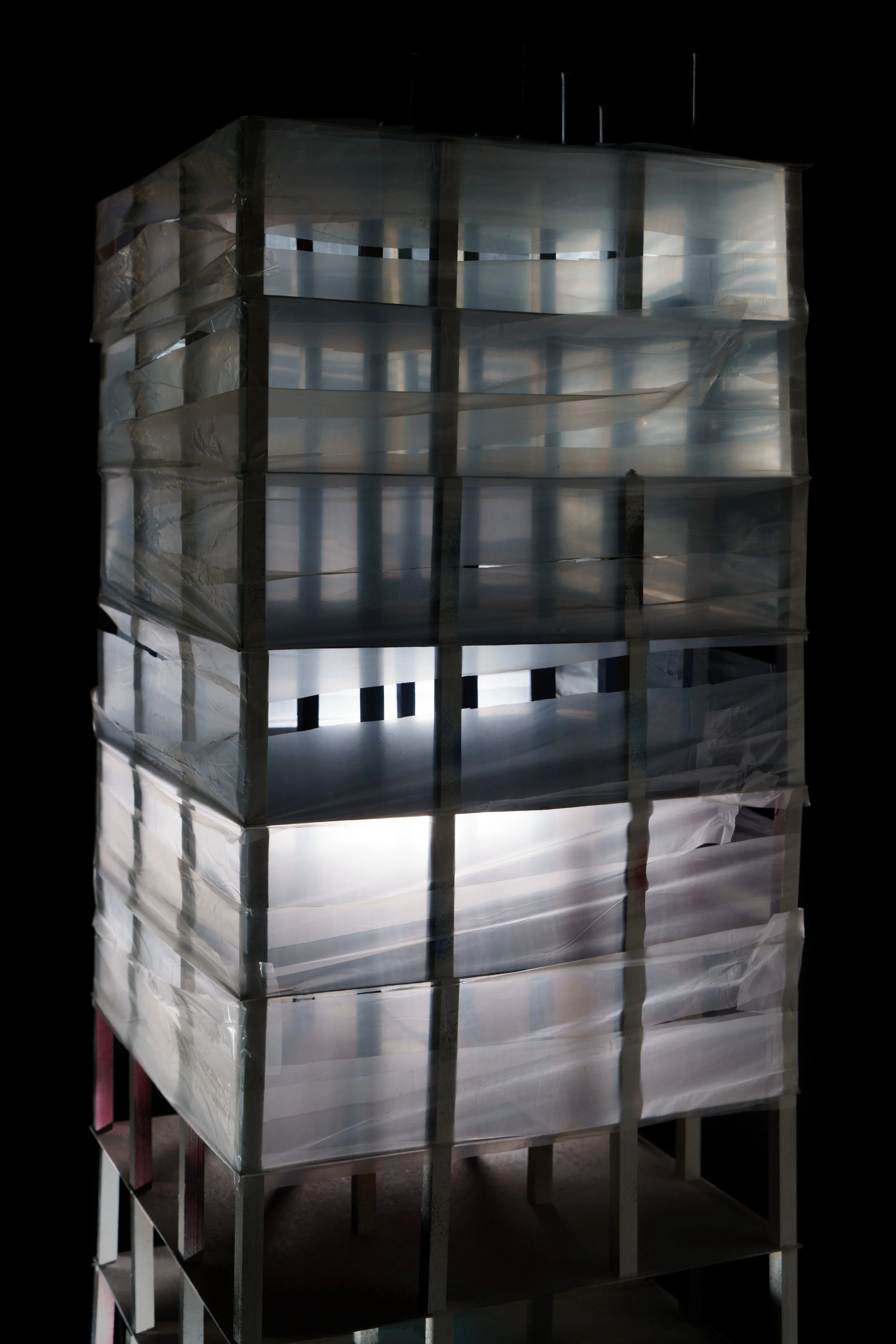
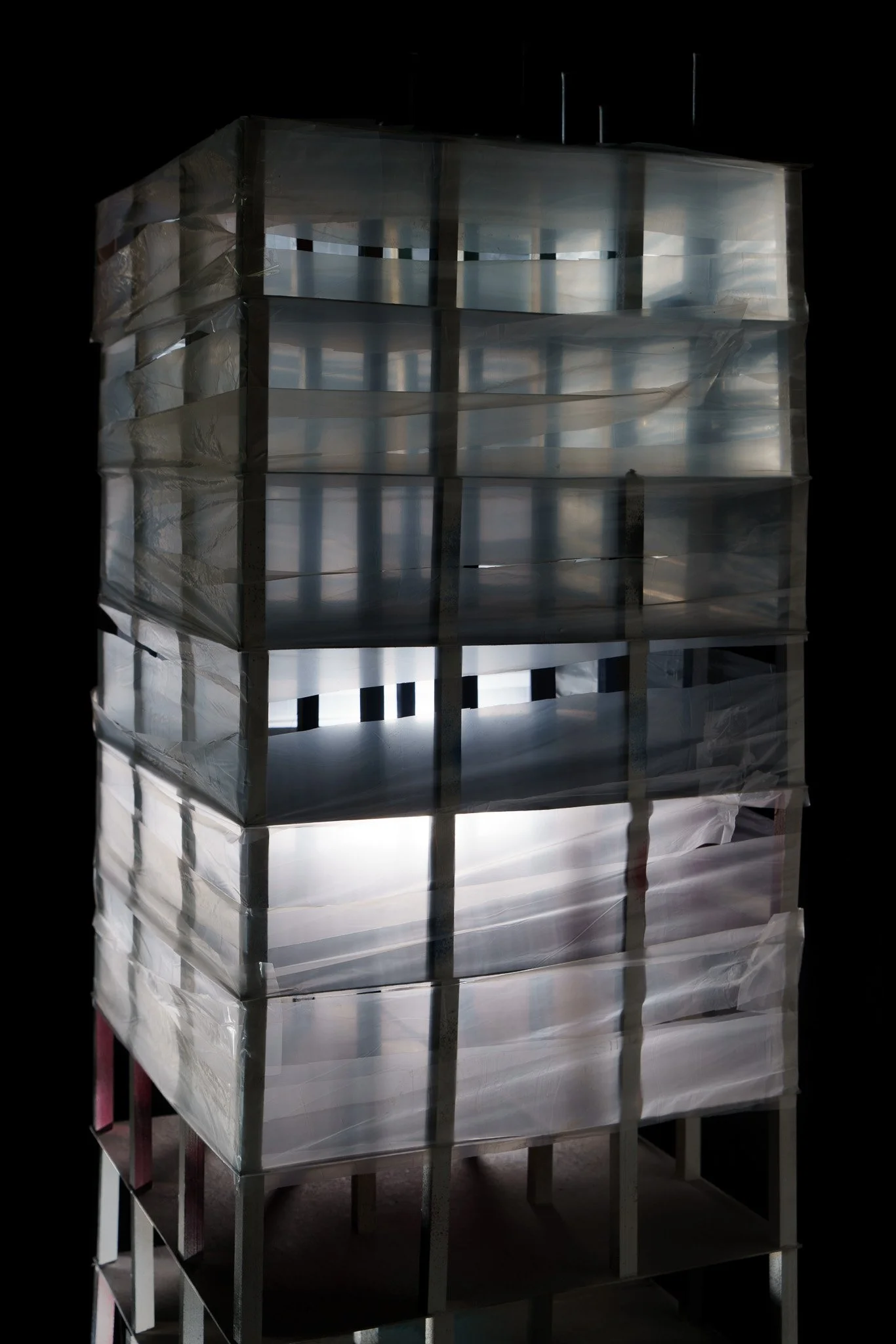
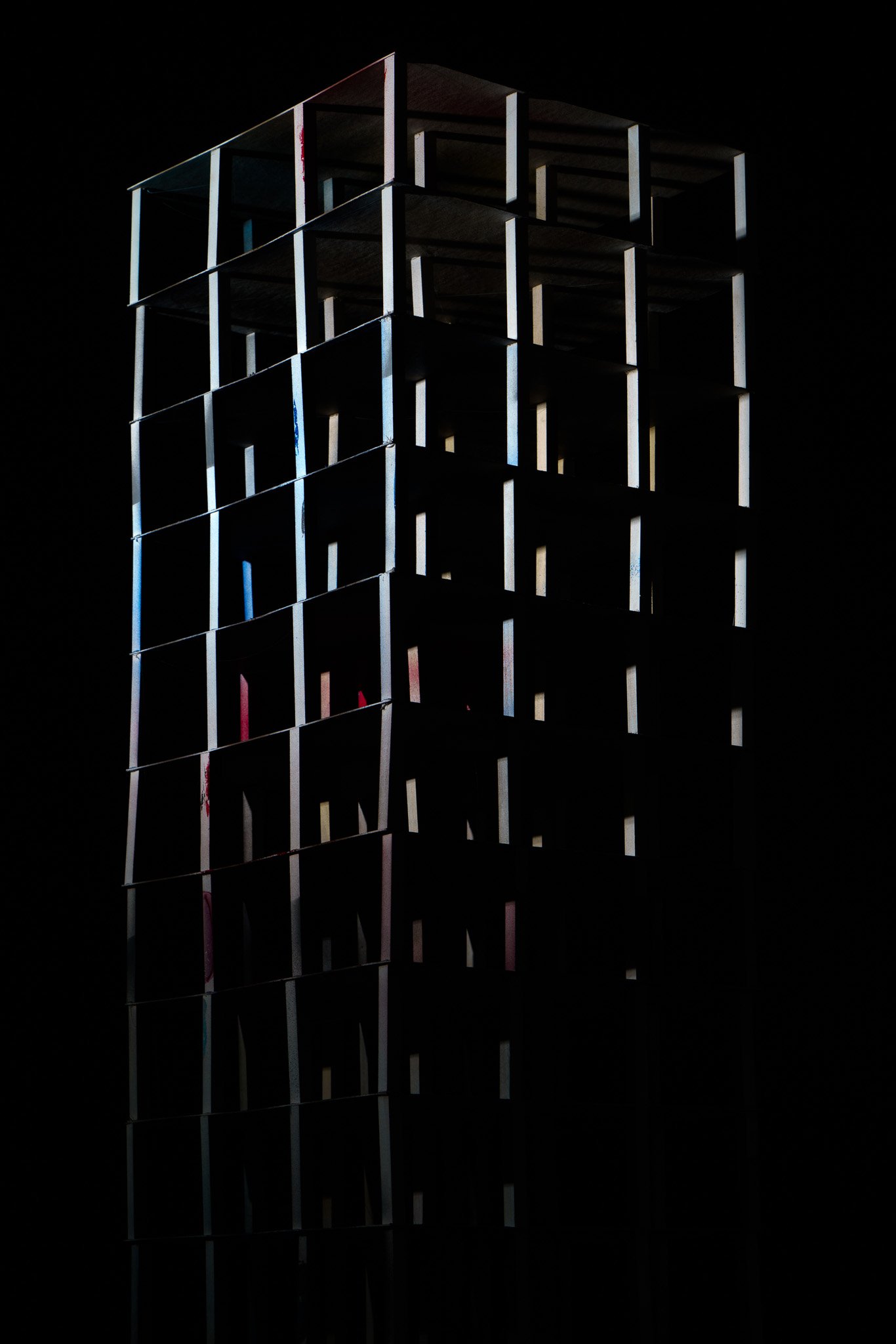
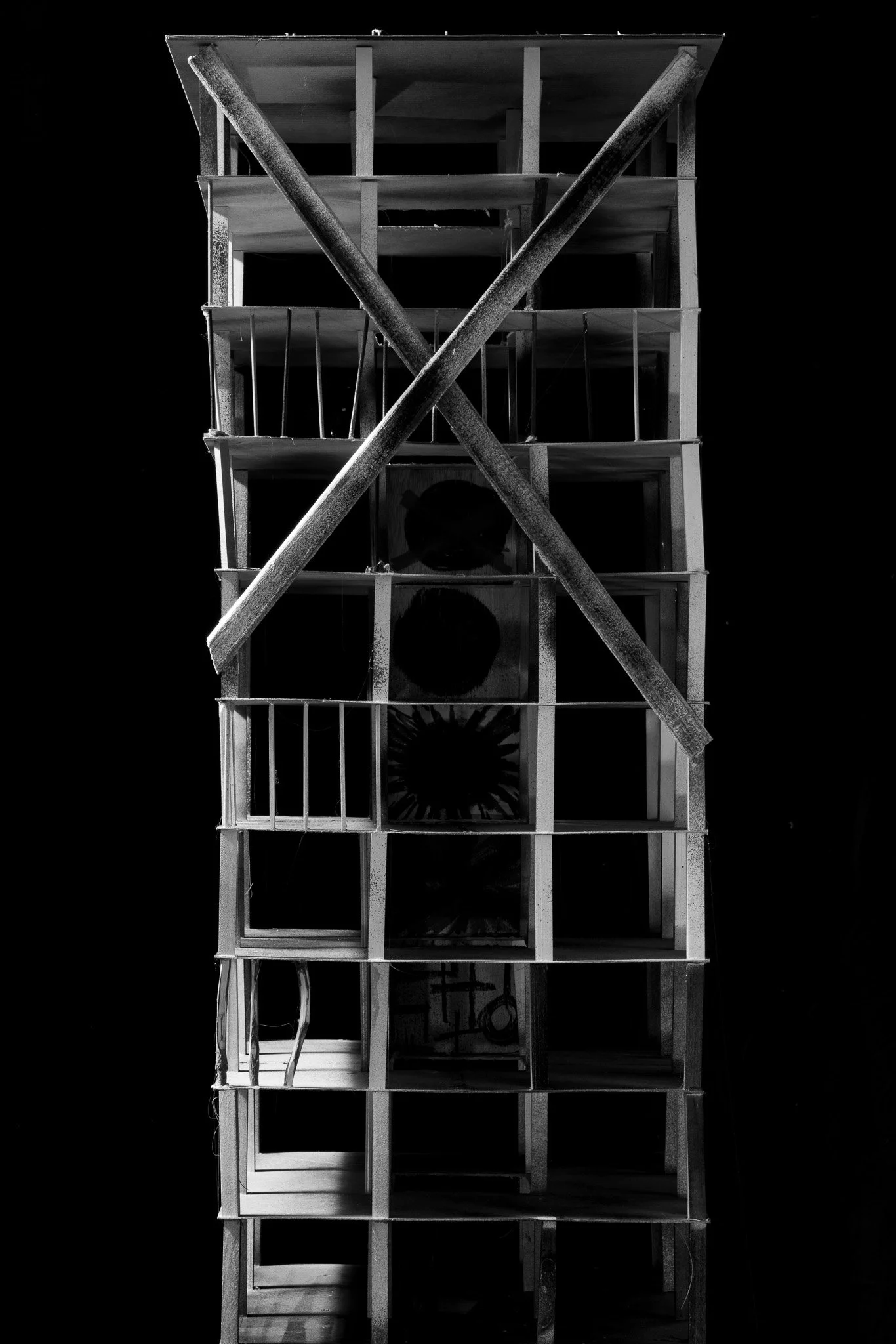
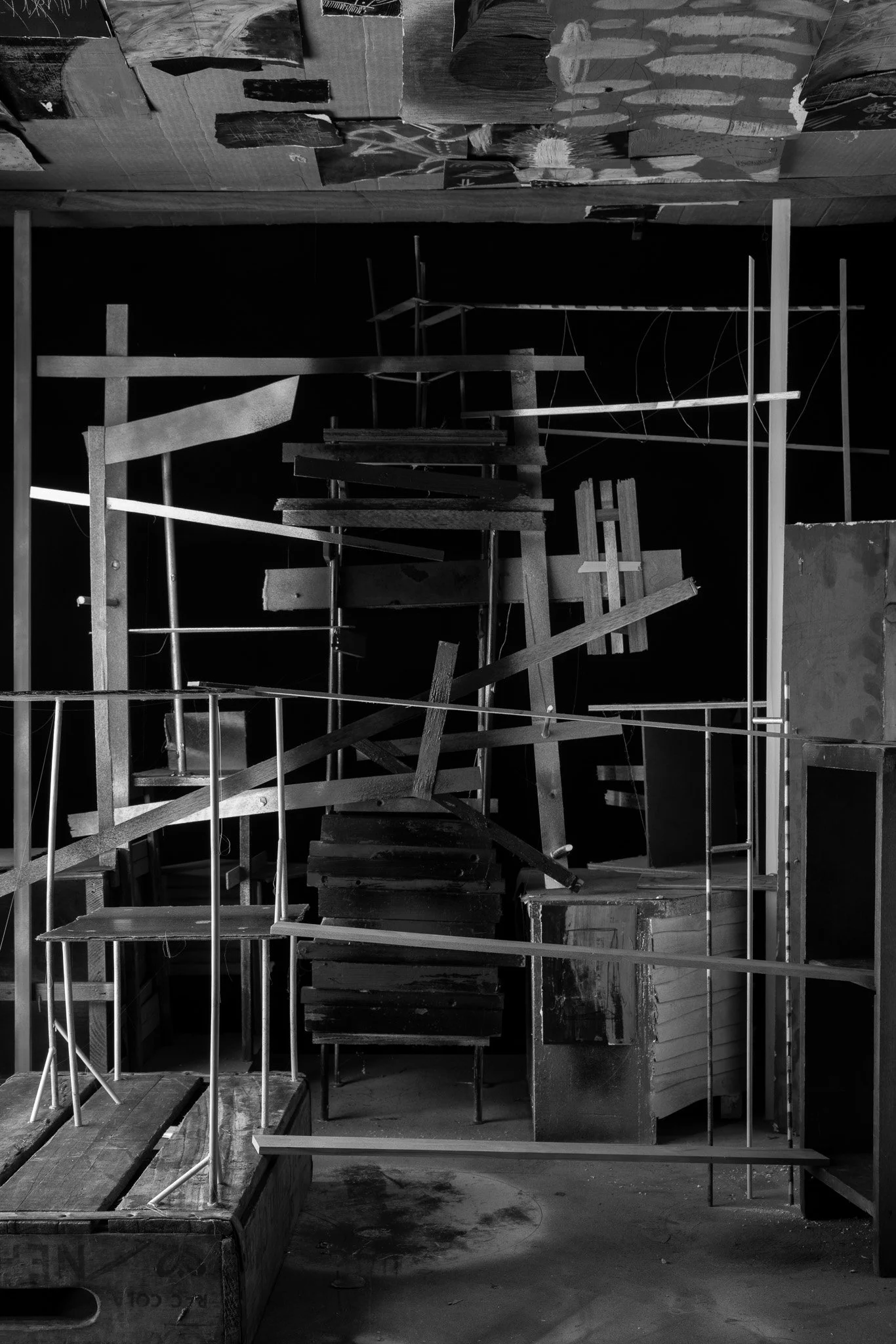
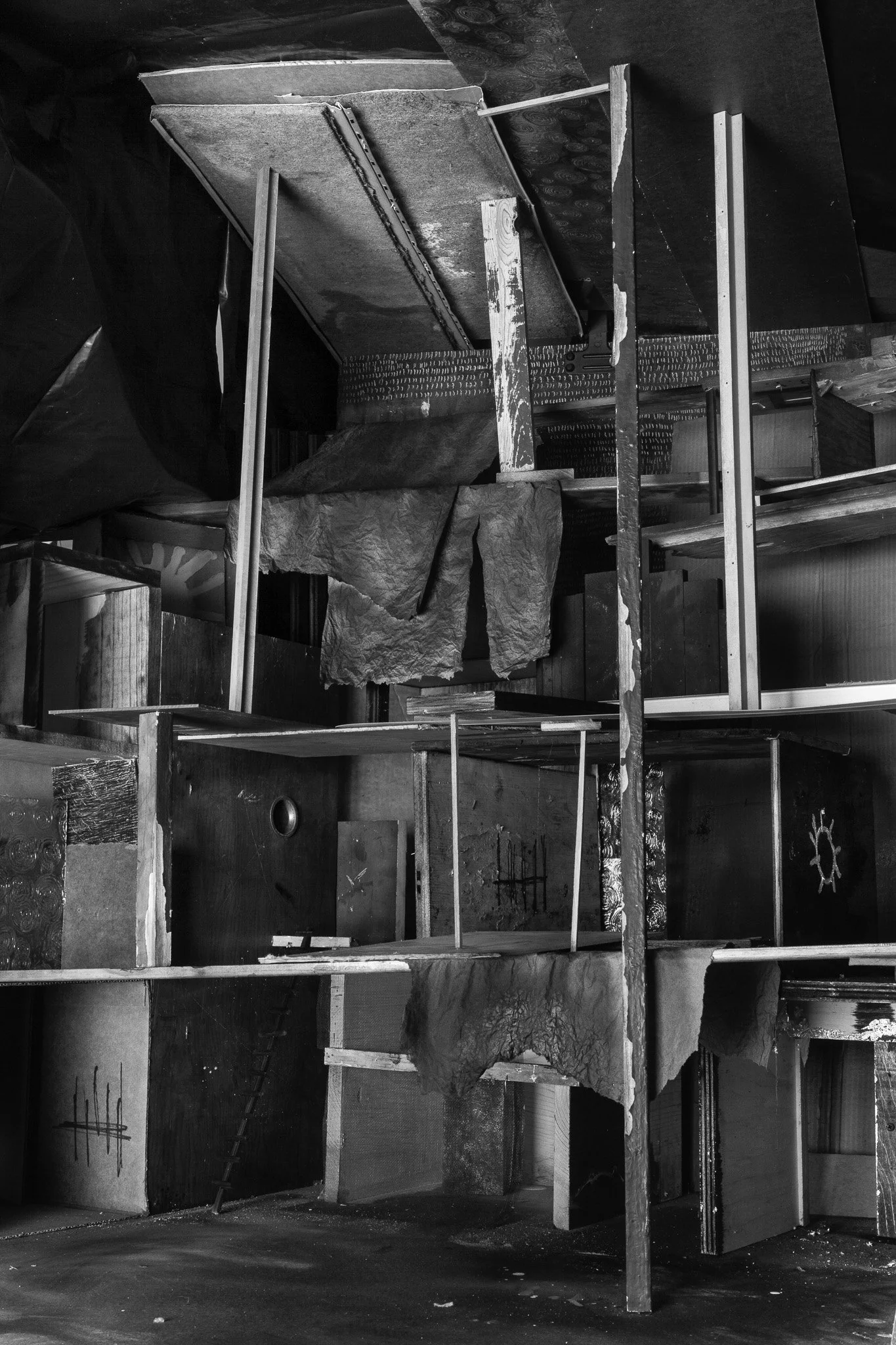
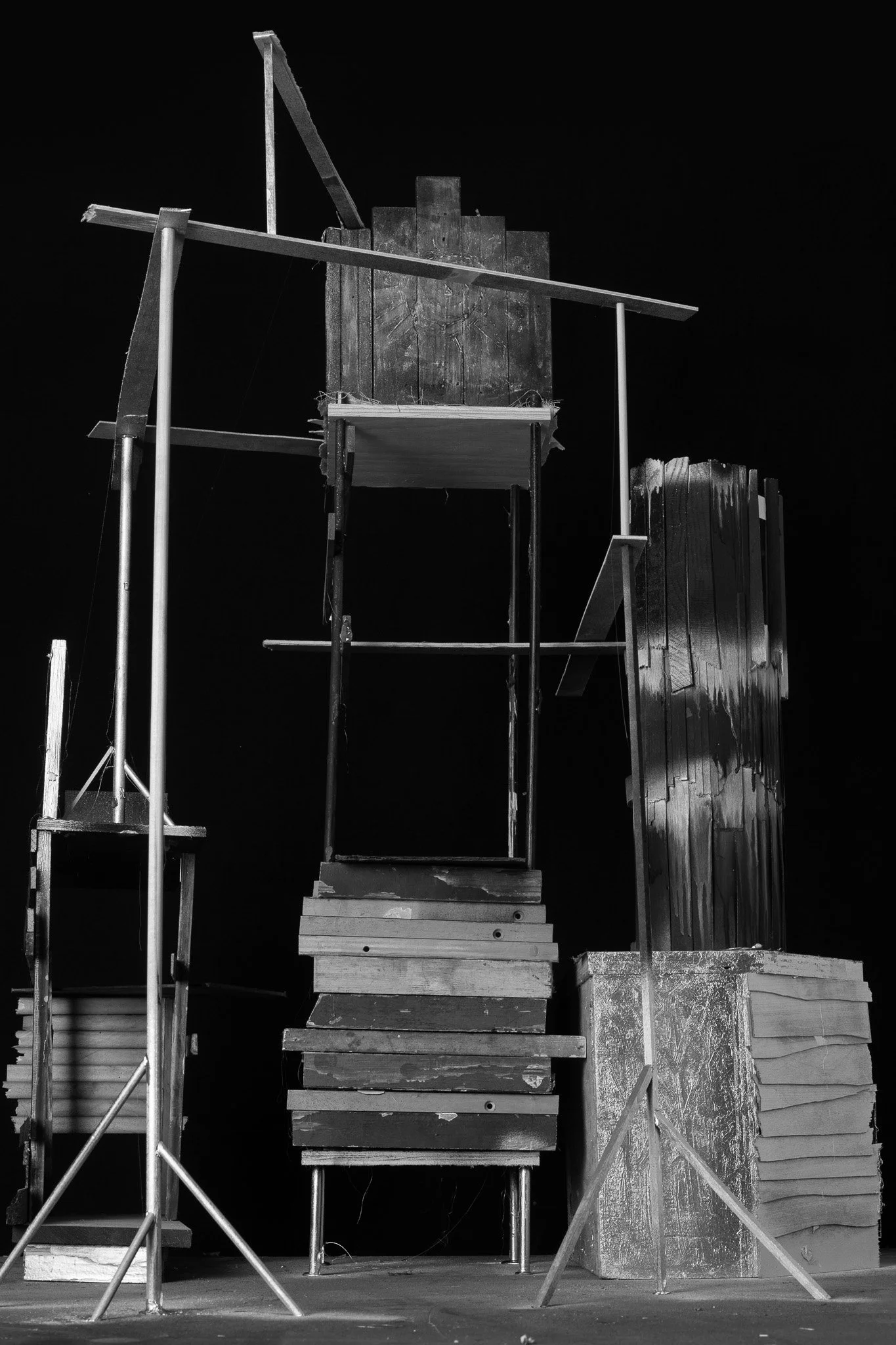
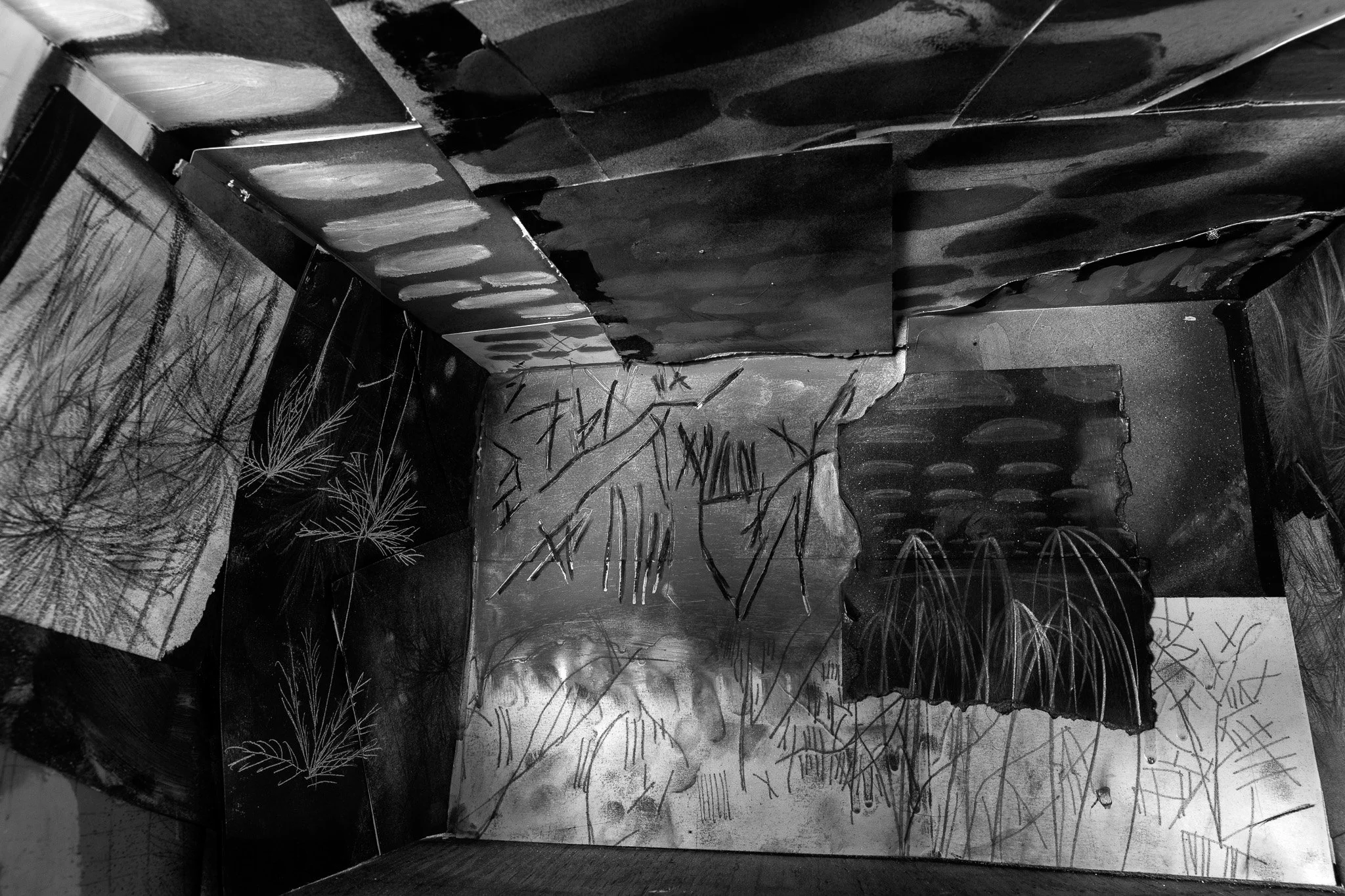
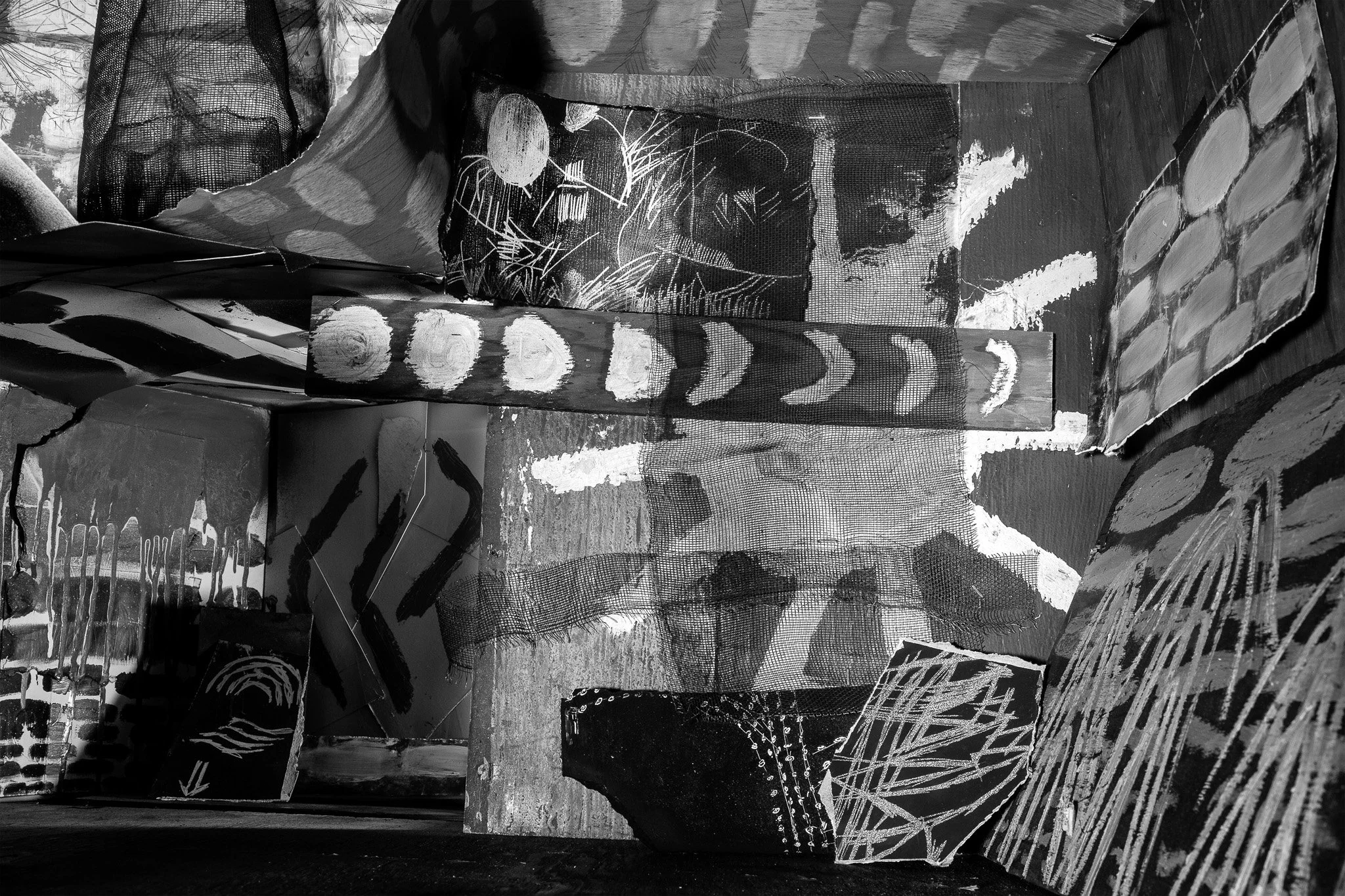
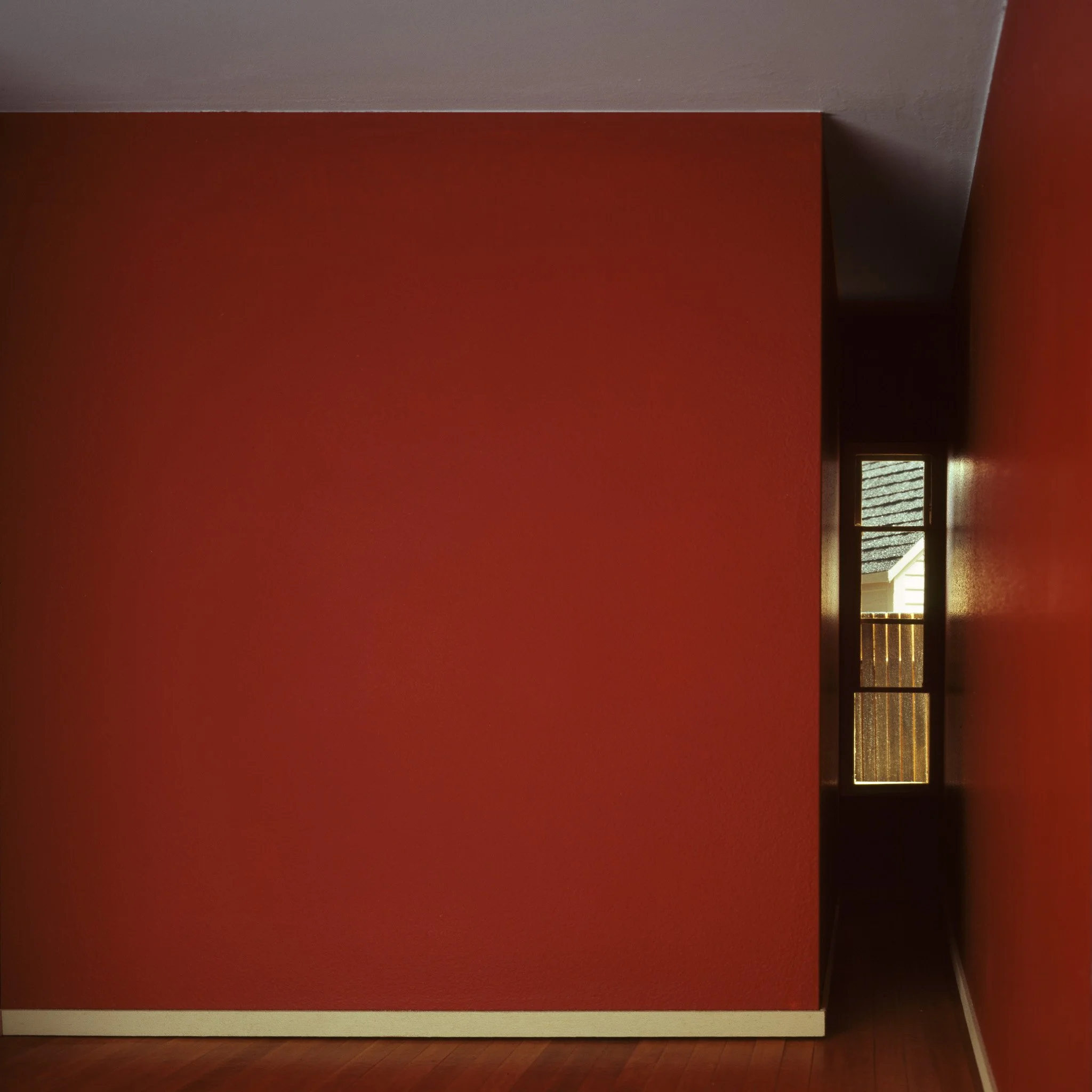
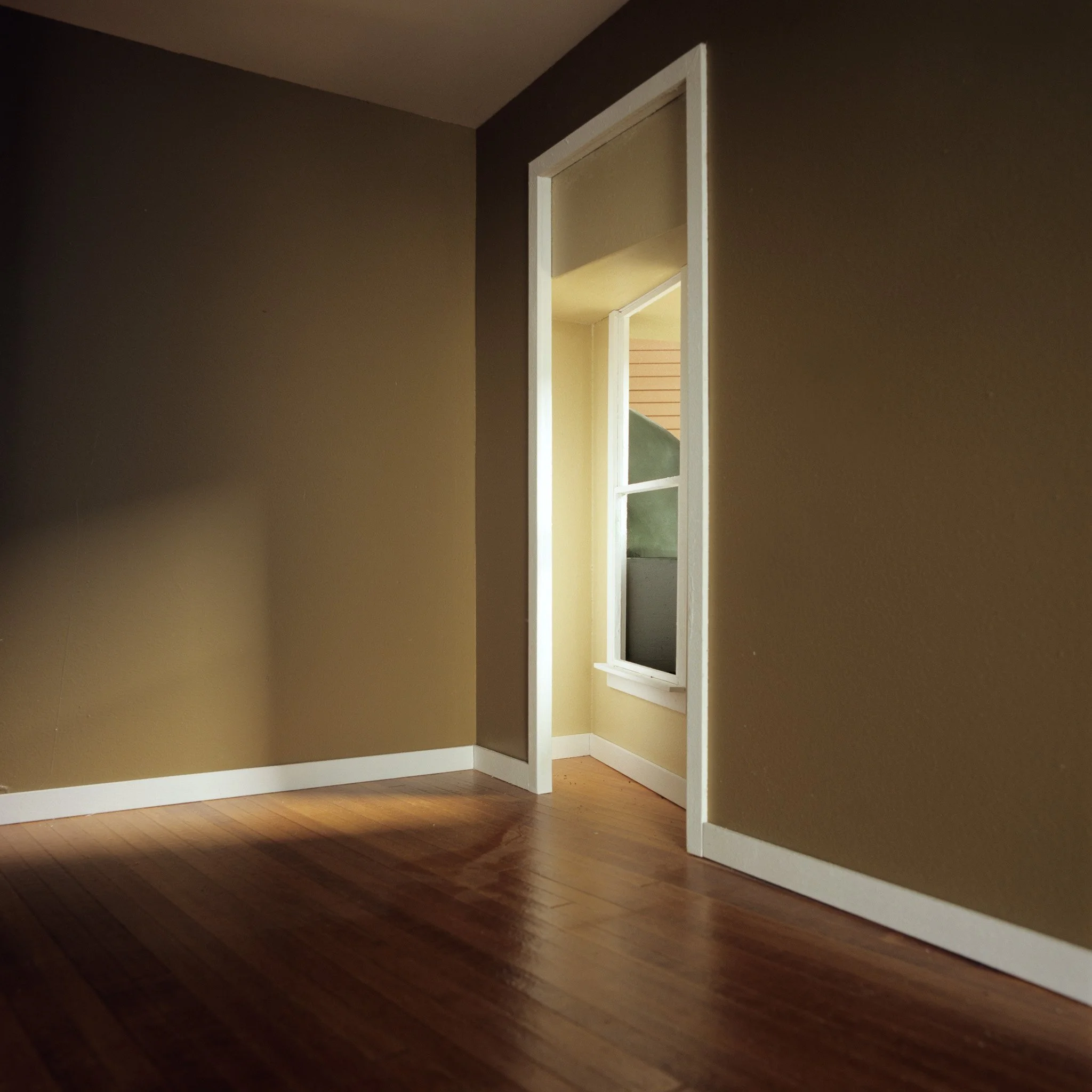
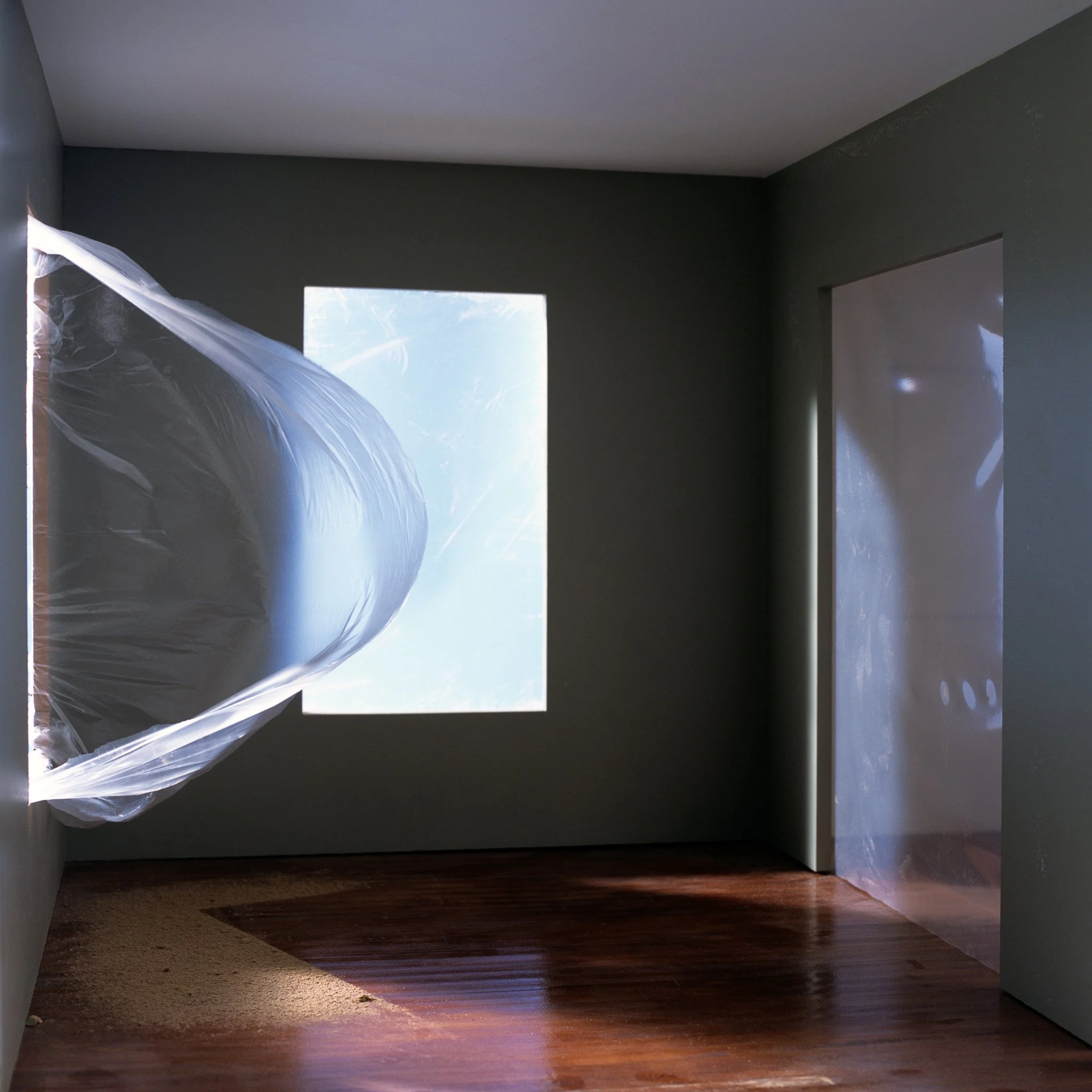
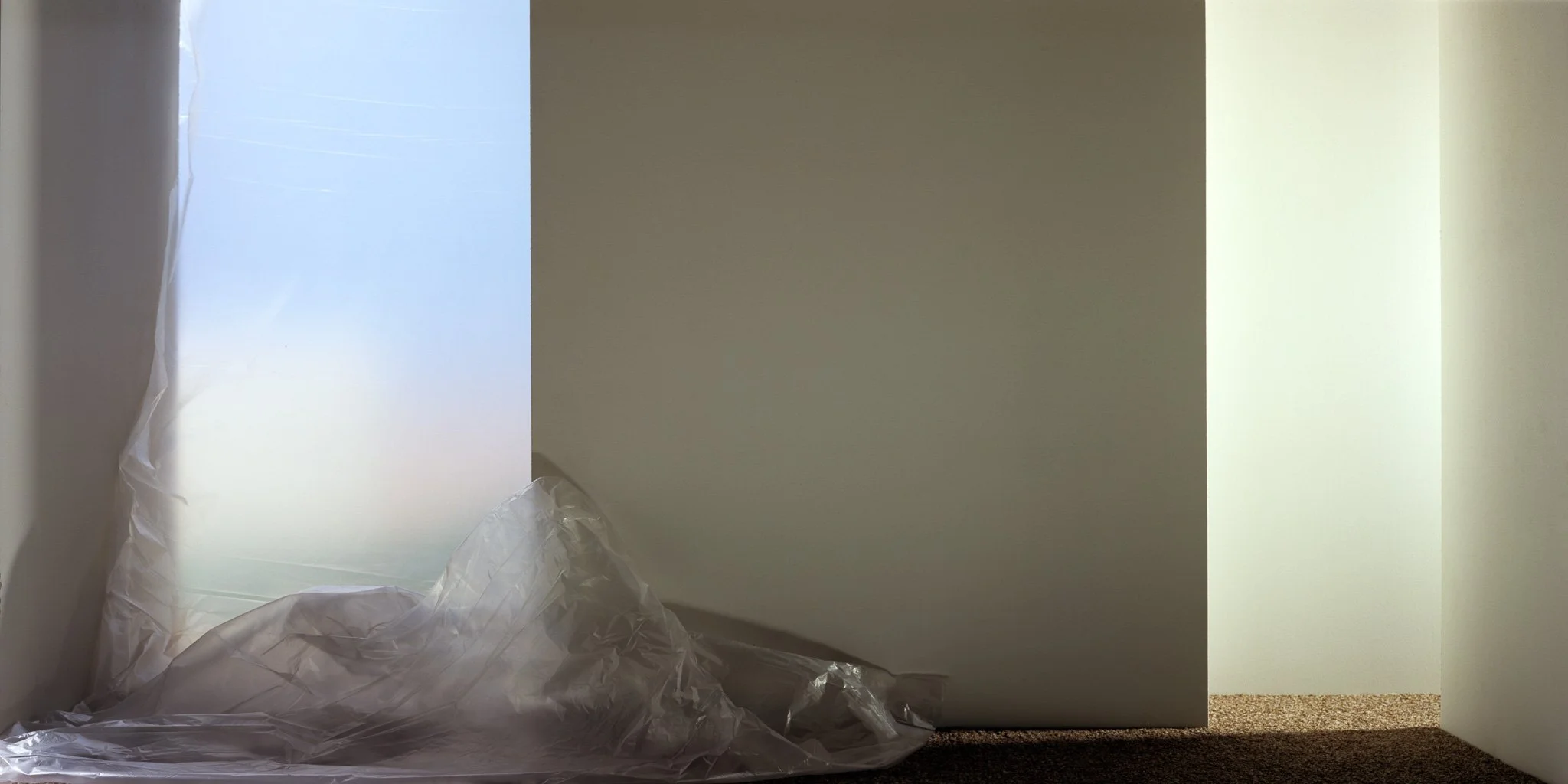
Untitled, 2025, Pigment print, 60 x 40 inches
Opening Reception: Sunday, February 1, 2026, 3:00 - 6:00 PM
Please join us afterwards for a private cocktail hour at the Quincy Street Distillery
Exhibition Dates: February 1 - March 7, 2026
Exhibition on view: Thursdays, Fridays, and Saturdays 1:00 – 5:00 PM
Artist Talk: Saturday, February 21, 2026, 2:00 PM
The Riverside Arts Center is pleased to present Ross Sawyers’ solo exhibiton, The Future Still Isn't What It Used to Be curated by Kristin Taylor in the Freeark Gallery. Please join us for an opening reception on Sunday, February 1, 2026 from 3:00 to 6:00 PM followed by a private cocktail hour across the street at the Quincy Street Distillery. An artist talk will be held Saturday, February 21, 2026 at 2:00 PM. The exhibition will be on view Thursdays, Fridays, and Saturdays 1:00 - 5:00 PM through March 7, 2026.
Ross Sawyers: Eleven Towers publication
Click here to purchase
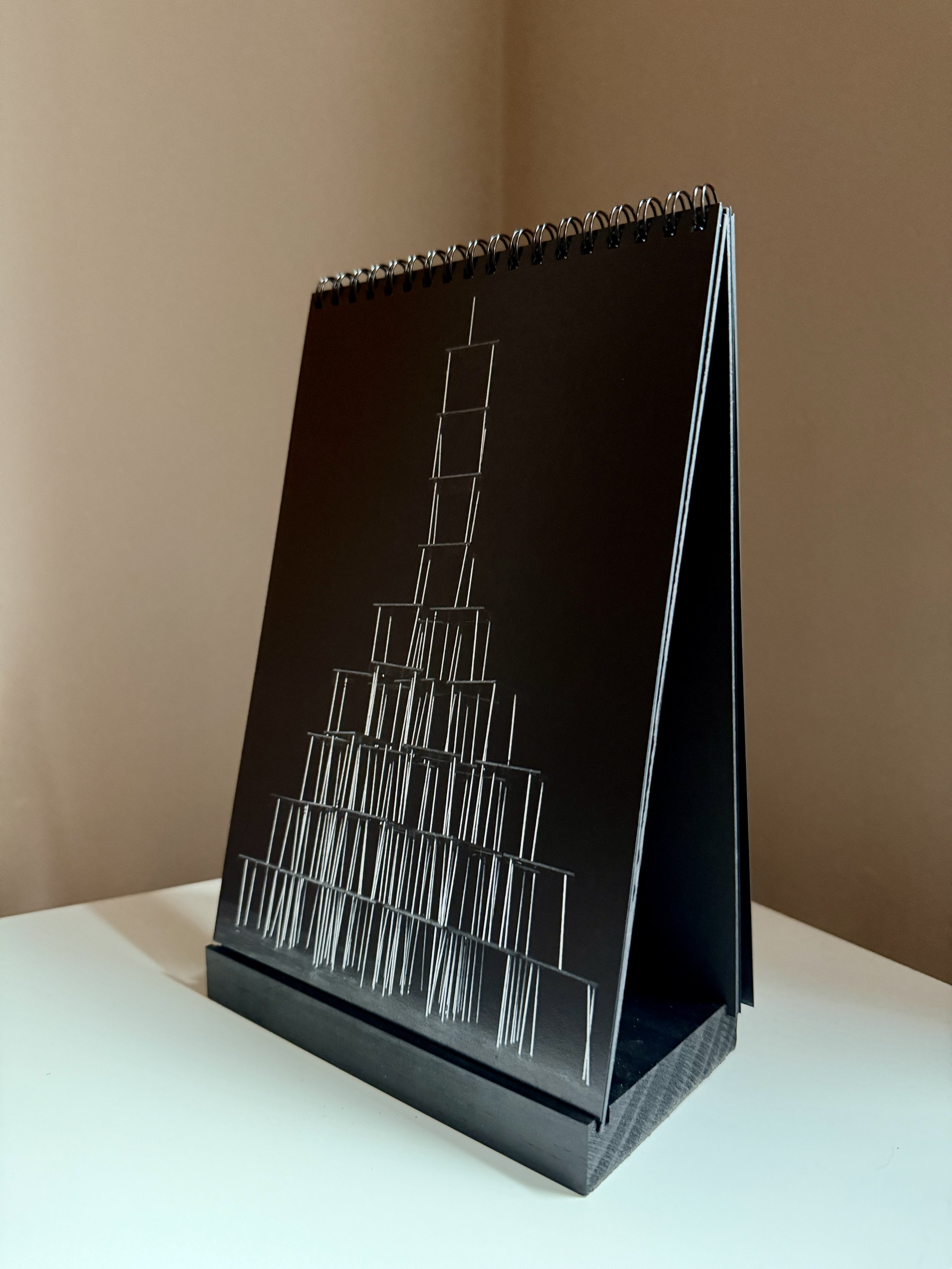
Eleven Towers, 9X6 inches, 13 pages, 11 images, spiral binding, Edition of 111, Hand stamped cover with custom wood base made by the artist.
Ross Sawyers will tell you that he does not enjoy talking about his work. He will insist he wants “the photographs to do the talking,” or will say, “If I could write, I would be a writer, but I cannot, so I make photographs.” I hope you can imagine my eyes roll as I type this.
And yet, if you ask him to tell you about his work, the volume of his voice will rise. Eventually, without you or he fully realizing it, he is gesticulating wildly in a passionate discourse, almost shouting at you, layering equal parts politics and prose.
What he will tell you is that for over two decades he has explored the unstable relationship between architecture and human aspirations, using photography, sculpture, and drawing to explore and represent what our homes, shelters, and ruins say about collective dreams and failures.
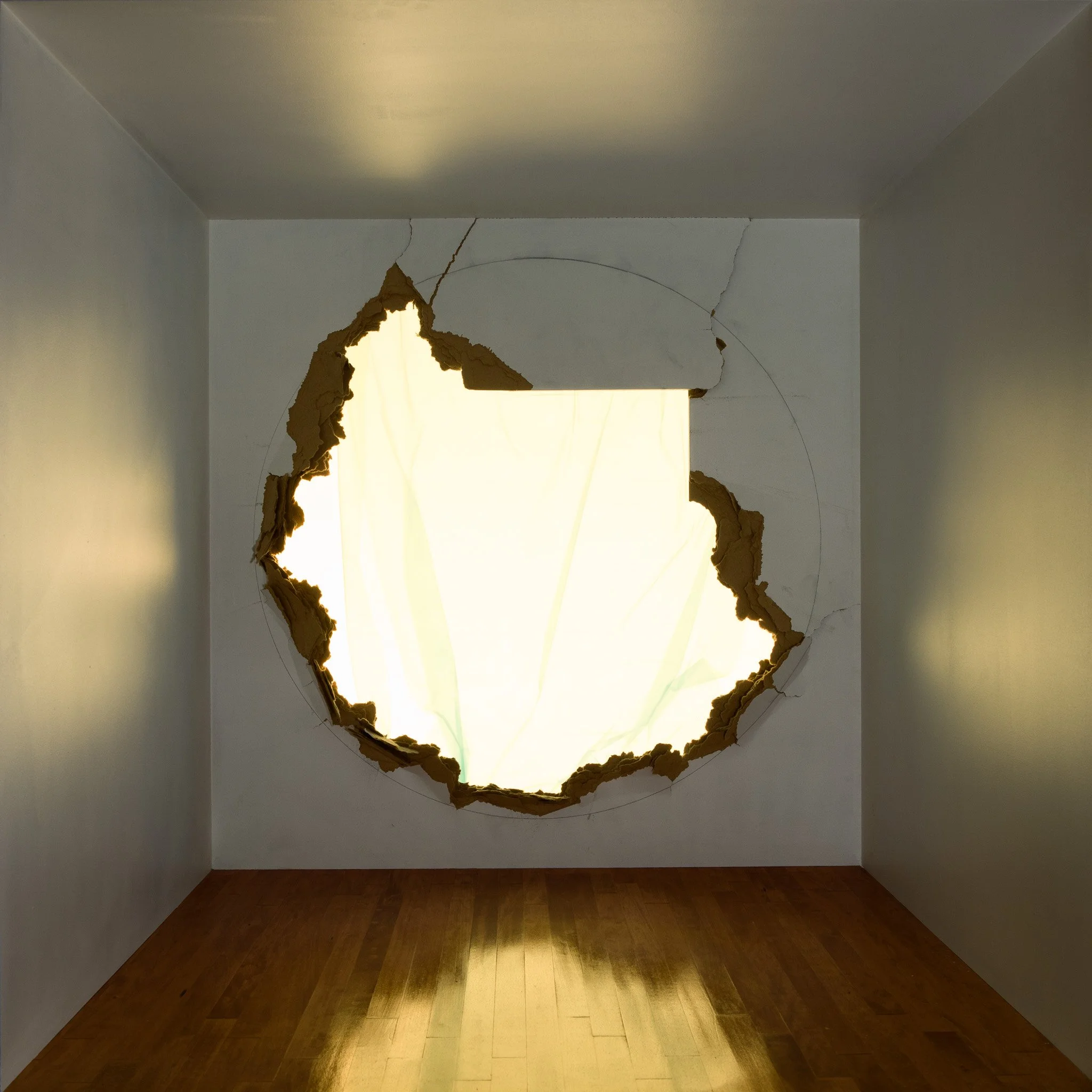
This exhibition features excerpts from many projects over the evolution of his practice for the past twenty years. Upon entering the galleries, you will first see photographs Ross made just before the 2008 housing bubble burst and recession. While living and teaching in Seattle, he watched aspiring developers quickly build homes seemingly inches apart from one another for maximum profit and fast turnover. Almost as soon as the houses went up, the economy took a downturn, and the homes sat vacant. In response, Ross began making his own architectural sites in miniature. Constructing model homes from cardboard, drywall, and wood, he deliberately misaligned walls, made floors and ceilings crooked, and covered tiny windows with plastic sheeting, evoking unlivable dwellings that are perpetually under construction.
These models did not leave his studio and only existed as subjects for his photographs. Captured in close-up detail, the places appear life-sized. Ross calls this early chapter in his work Clear Blue, Sky. Made from 2006-2007, the photographs speak to how the capitalist housing dreams of this time were interrupted (much like the comma between blue and sky), never realistic in cost or design. Closet doors open into walls. Windows show a view only of the siding of the house next door.
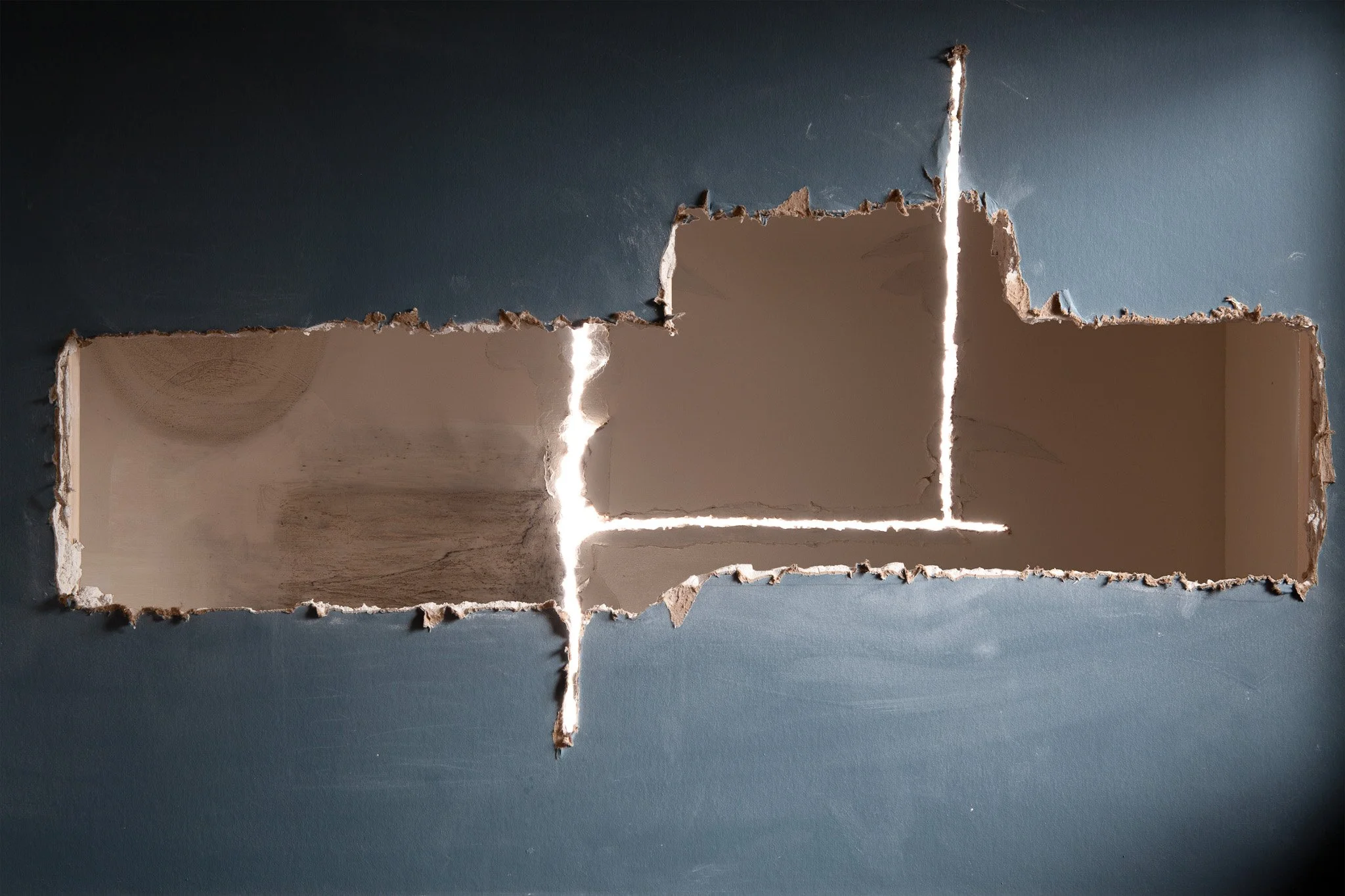
Moving chronologically, the following photographs on view are from a chapter he made from 2009-2012 titled This Is the Place. There is a Talking Heads song of a similar name (in which the lyrics state “Home is where I want to be, but I guess I'm already there… I'm just an animal looking for a home, and share the same space for a minute or two”). Here, Ross shows what it looks like after a home enters foreclosure, and new developer carves into the constructions with a Sawzall to expose the flimsy foundation. Ross begins experimenting with drawing in his process, creating spirals, circles, and lines to create light traces through the wreckage to suggest that there is potential and beauty in the destruction.
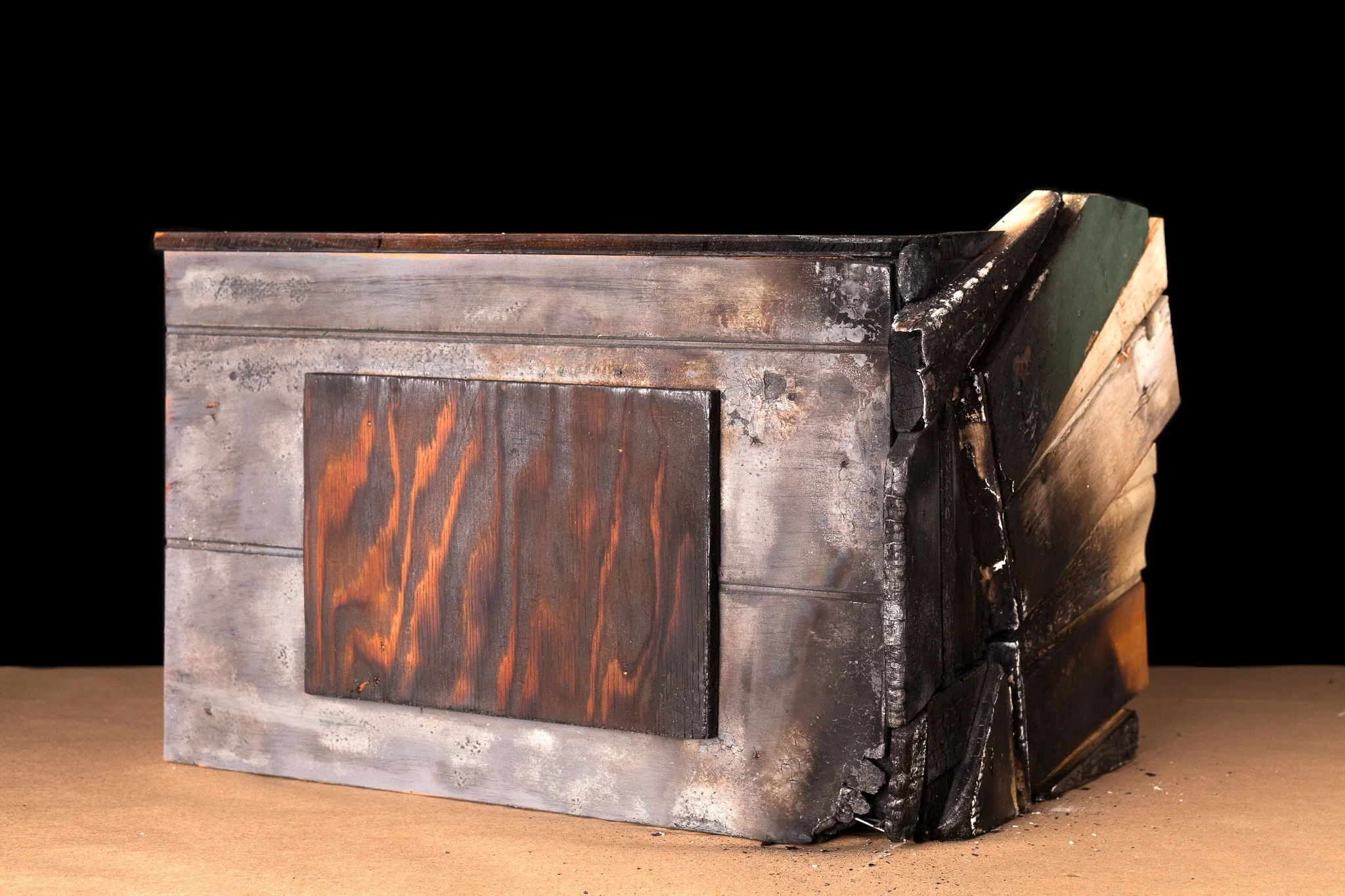
Next is a chapter he calls The Jungle, made from 2012-2015, for which he examines alternative ways of living beyond the American dream of homeownership. In his home state of Iowa, he has attended a hobo convention that happens every year (yes, this exists), observing how people build mobile shelters and refuse debt as survival strategy. Ross is interested in how the hobo lifestyle is protective, resourceful, and defiantly outside the mainstream. His works shifts in appearance and we see exteriors of sculptures that appear charred or boarded up. The structures seem abandoned, yet suggest someone may still be inside, watching us watch them.
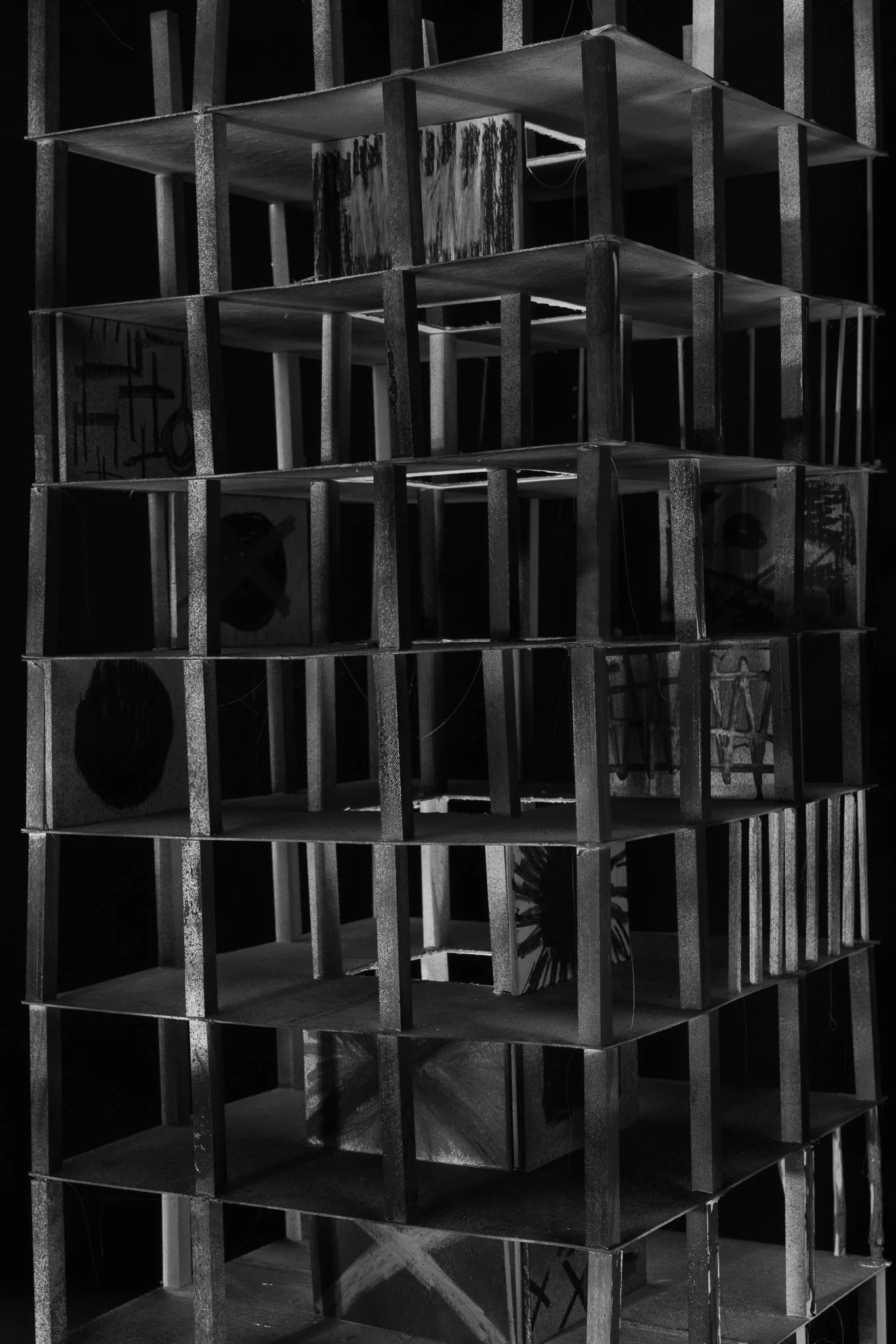
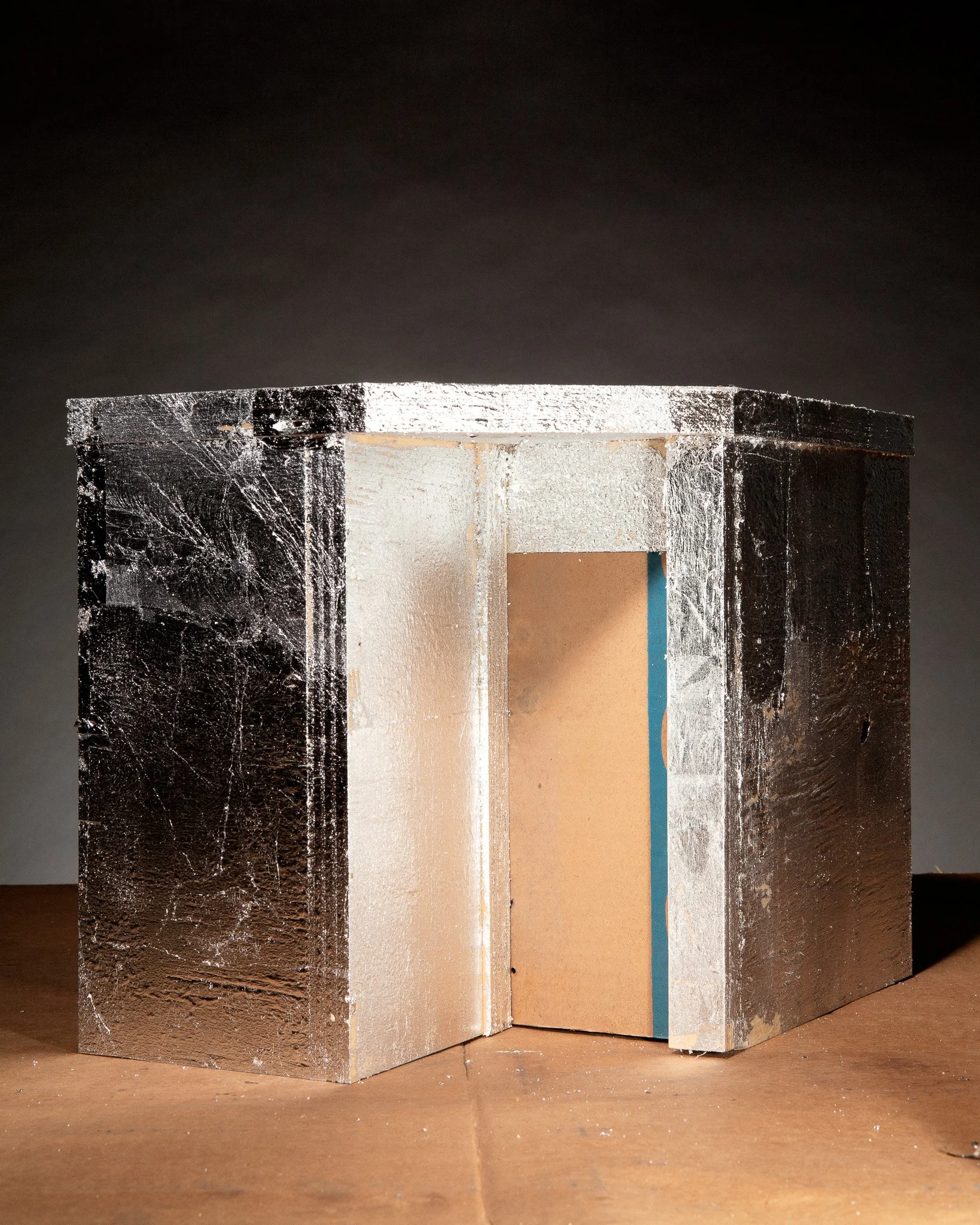
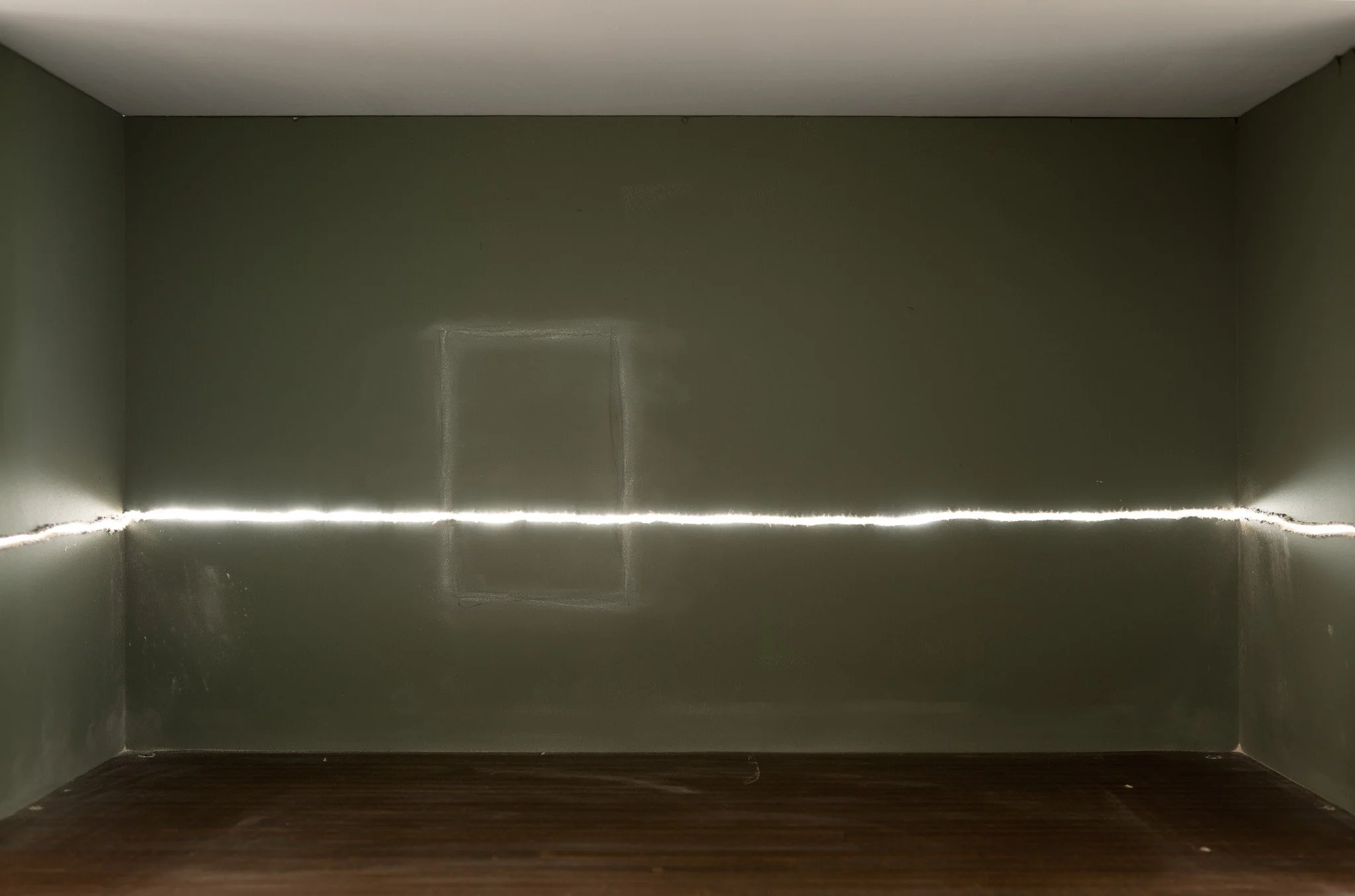
What comes next is visions of dystopia. Since 2016, Ross has worked on this chapter, called The Future Isn’t What It Used to Be. In it, spaces seem to be as fragile as card towers. Seemingly built from balsa wood and toothpicks, the structures appear ready to collapse with a slight breeze. Ross imagined what life would look like if we all had to adopt the hobo lifestyle because our systems collapse. The post-apocalyptic feeling spaces show walls donning chalk marks and tallies as representations of time tracked without clocks. Patterns and codes of a new language emerge, meant to be symbols for others passing through about if it is a safe space to dwell for the night.
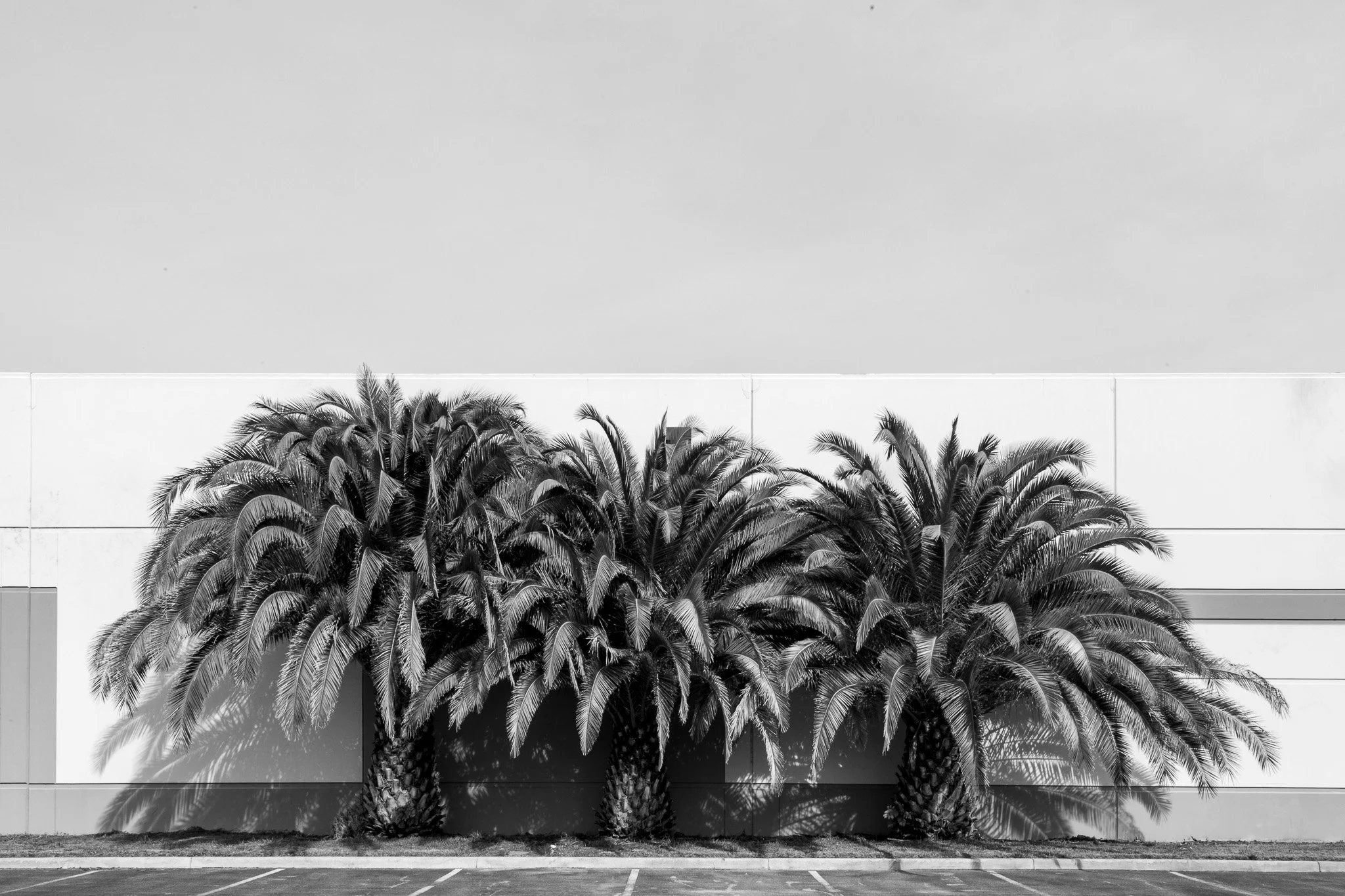
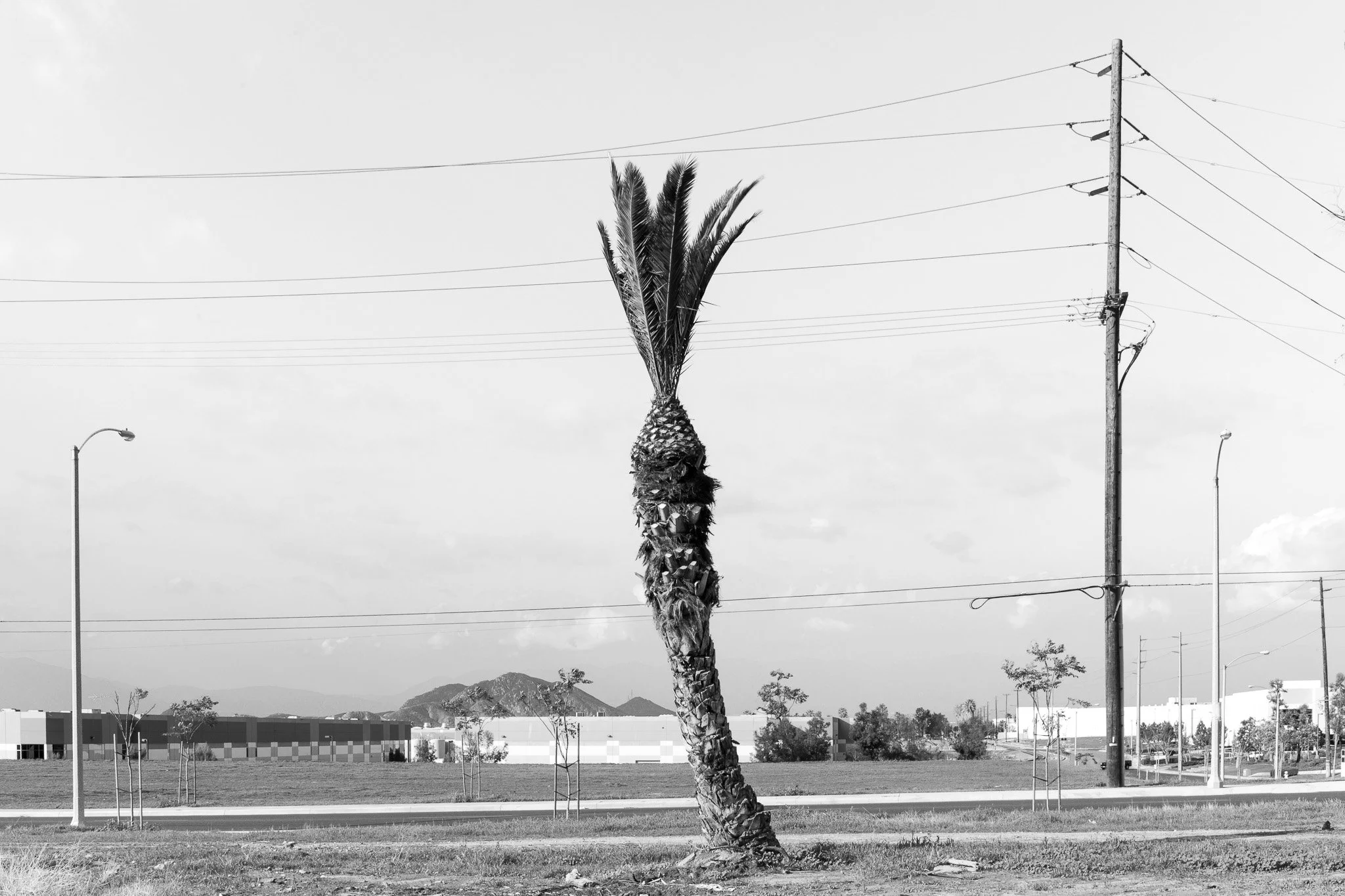
Throughout each chapter are trees. These photographs have never shown before because they were not made to be a part of the artist’s series, though in many ways they are the beginning of it all. Made in Los Angeles twenty years ago when Ross had his first teaching job at the University of California, Riverside, he witnessed the palm trees as echoes of the myth of American promise. Though the trees could be considered a symbol of Hollywood and the endless expanse of the West, up close and in person, they appeared, in Ross’s words, “janky.” Thin trunks stretch impossibly tall, topped by brittle fronds, reflecting both drought and the fragility of the dream they symbolize. He created the photographs not knowing why or what to do with them. Today, they are presented as metaphorical glue to the themes presented in each iteration of his ideas.
In the back gallery is brand new work, presented as an installation, and from a chapter titled After the Flood. The title is a nod to the current political situation in which FEMA funds have been stripped while developers continue to build homes along American coastlines, ignoring all aspects of reality and forcing arrogant optimism. These works, immersive and large-scale, fold together the artist’s past themes into a vision of the present that feels unsteady and future that feels inevitable.
This self-proclaimed artist of few words skillfully toggles the line between political commentary and creative play, reminding us that his images are as much about imagination and metaphor as they are about critique. Taken together, the many chapters of Ross Sawyer’s work reveal a sustained meditation on what it means to build and to dwell, even when the ground beneath us is uncertain.
–Kristin Taylor
Curator of Academic Programs and Collections
Museum of Contemporary Photography at Columbia College Chicago
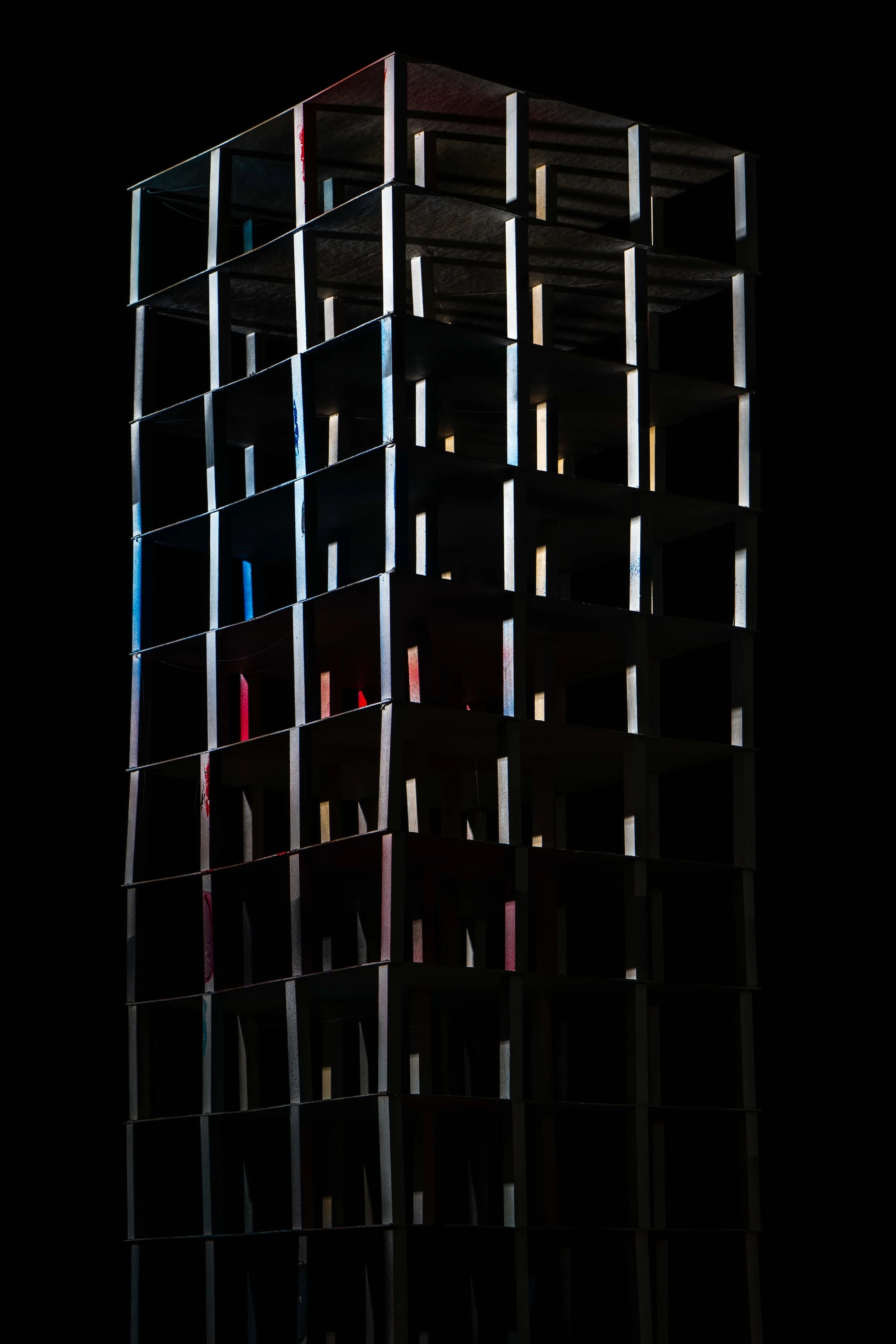
Untitled, 2025, Pigment print, 60 x 40 inches
Ross Sawyers photographs his constructions of sculpture and drawing to explore urban domestic architecture. He has exhibited nationally and internationally at venues including the Nelson-Atkins Museum of Art in Kansas City, the Henry Art Museum in Seattle, and the Tacoma Art Museum in Washington. His work is included in numerous public and private collections, including the Hallmark Photographic Collection at the Nelson-Atkins Museum of Art, the Museum of Contemporary Photography, and the Henry Art Gallery. Articles and reviews about his art include Artweek Magazine, Art Papers Magazine, FOAM International Photography Magazine, and Flash Forward. Sawyers earned a Bachelor of Fine Arts degree in Photography and New Media at the Kansas City Art Institute and a Master of Fine Arts degree in Interdisciplinary Visual Art at the University of Washington. He is an Associate Professor and former Chair of the Photography Department at Columbia College Chicago.
www.rosssawyers.com
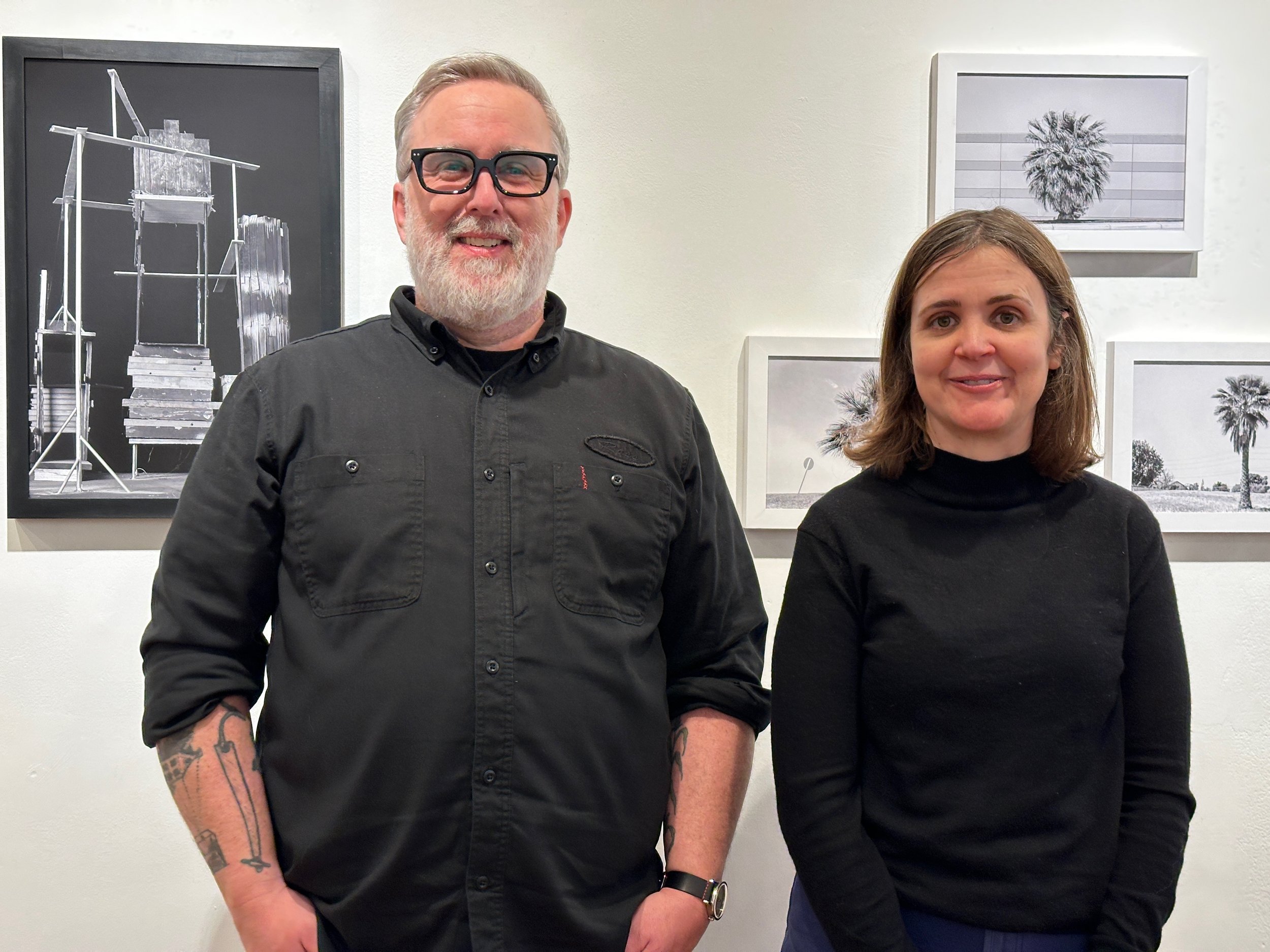
Ross Sawyers and Kristin Taylor
Kristin Taylor is the Curator of Academic Programs and Collections at the Museum of Contemporary Photography at Columbia College Chicago, where she leads the education programs and creates exhibitions primarily pulled from the museum’s permanent collection. Her notable projects include Collaboration: A Potential History of Photography (co-curated with Wendy Ewald, Susan Meiselas, and Laura Wexler) and Reproductive: Health, Fertility, Agency (co-curated with Karen Irvine). Beyond the MoCP, she has organized exhibitions at Perspectives Gallery, and her writing has appeared in Panorama: Journal of the Association of Art Historians. Kristin also conceptualized and hosts the museum’s podcast, Focal Point, and teaches at Columbia College Chicago and the School of the Art Institute of Chicago. She holds a BFA in painting from the Kansas City Art Institute and an MA in arts management from Columbia College Chicago.
To purchase artworks from Ross Sawyers’ The Future Still Isn’t What It Used to Be exhibition or for more information or images of the art, please contact the Exhibitions Director, Joanne Aono at jaono@riversideartscenter.com.